From June 21 to July 5, the School of Urban Construction of our university successfully hosted the “Short-Term Study Program on China-Belarus Civil Engineering Structural Practice and Chinese Engineering Culture Experience”. Ten students from Polotsk State University of Belarus completed the 14-day study program successfully. The program represents an important outcome of the school’s internationalization initiative, “One School, One Program”, and marks the second time that the school has organized students from Polotsk State University for a short-term study program in China.
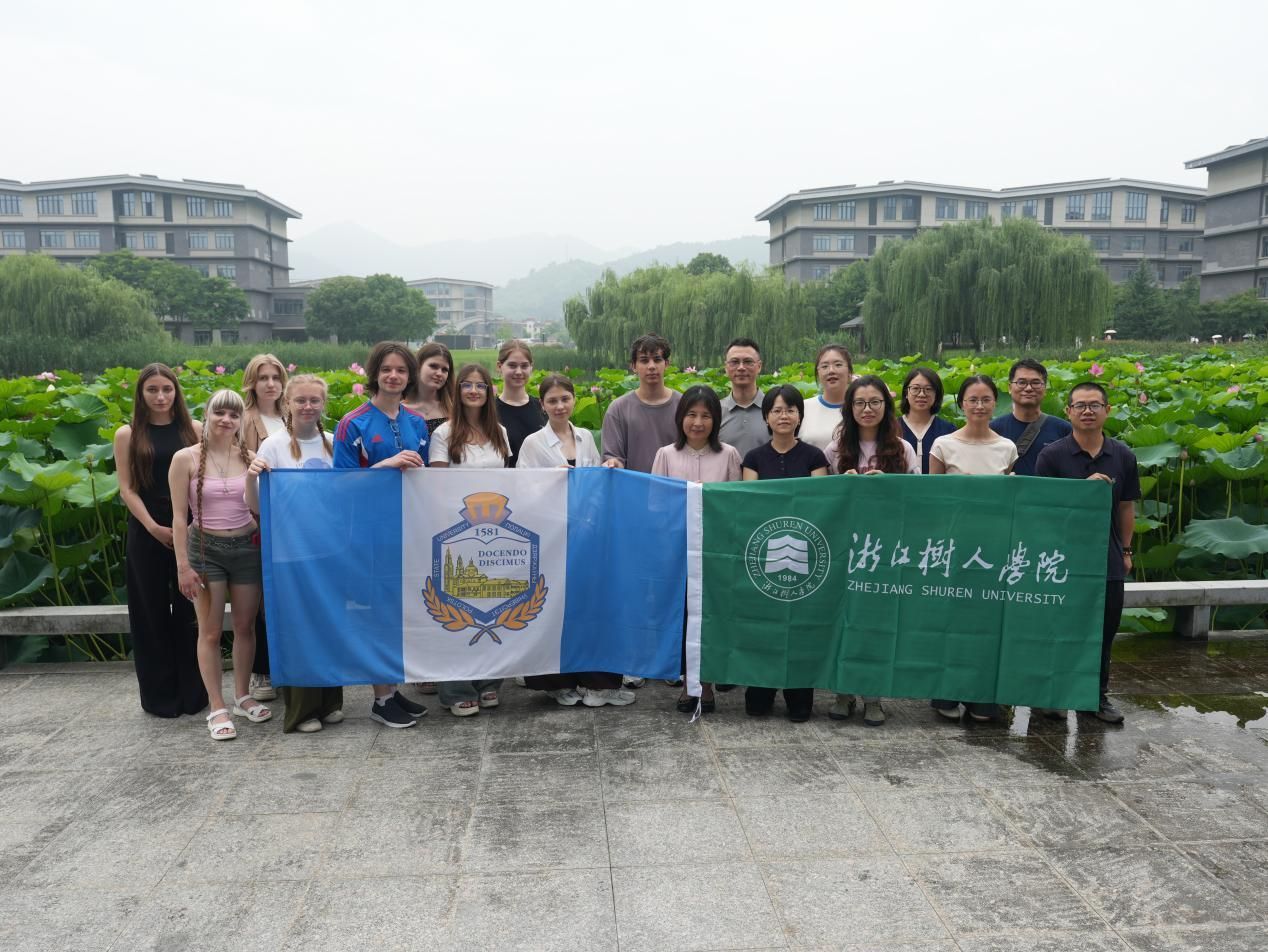
Deepening International Cooperation and Advancing the “One School, One Program” Initiative
The School of Urban Construction has established solid cooperative relations and mutual trust mechanisms with Polotsk State University of Belarus in the fields of civil engineering and green building materials. Building on the previously approved cooperation framework of “Joint Development of International Teaching and Research Platforms”, this study program formally advanced the cooperation from a framework-building phase to substantive implementation through regular student exchanges, institutionalized faculty cooperation, and sustained scientific research collaboration.
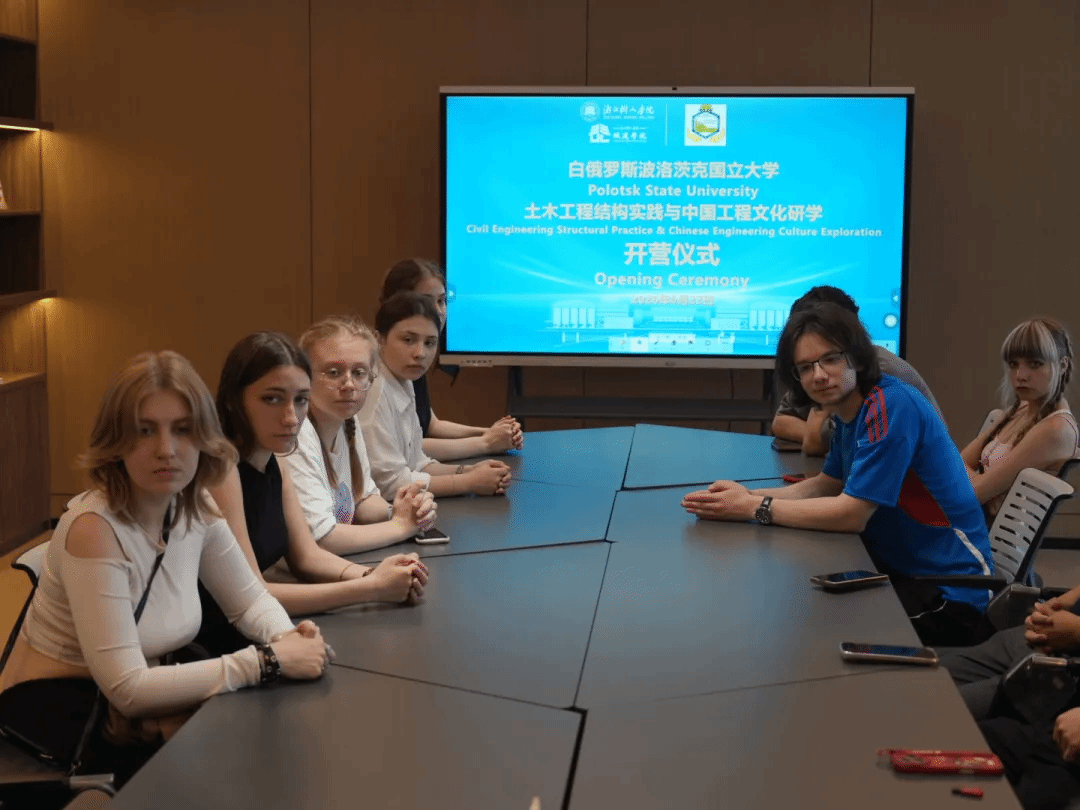
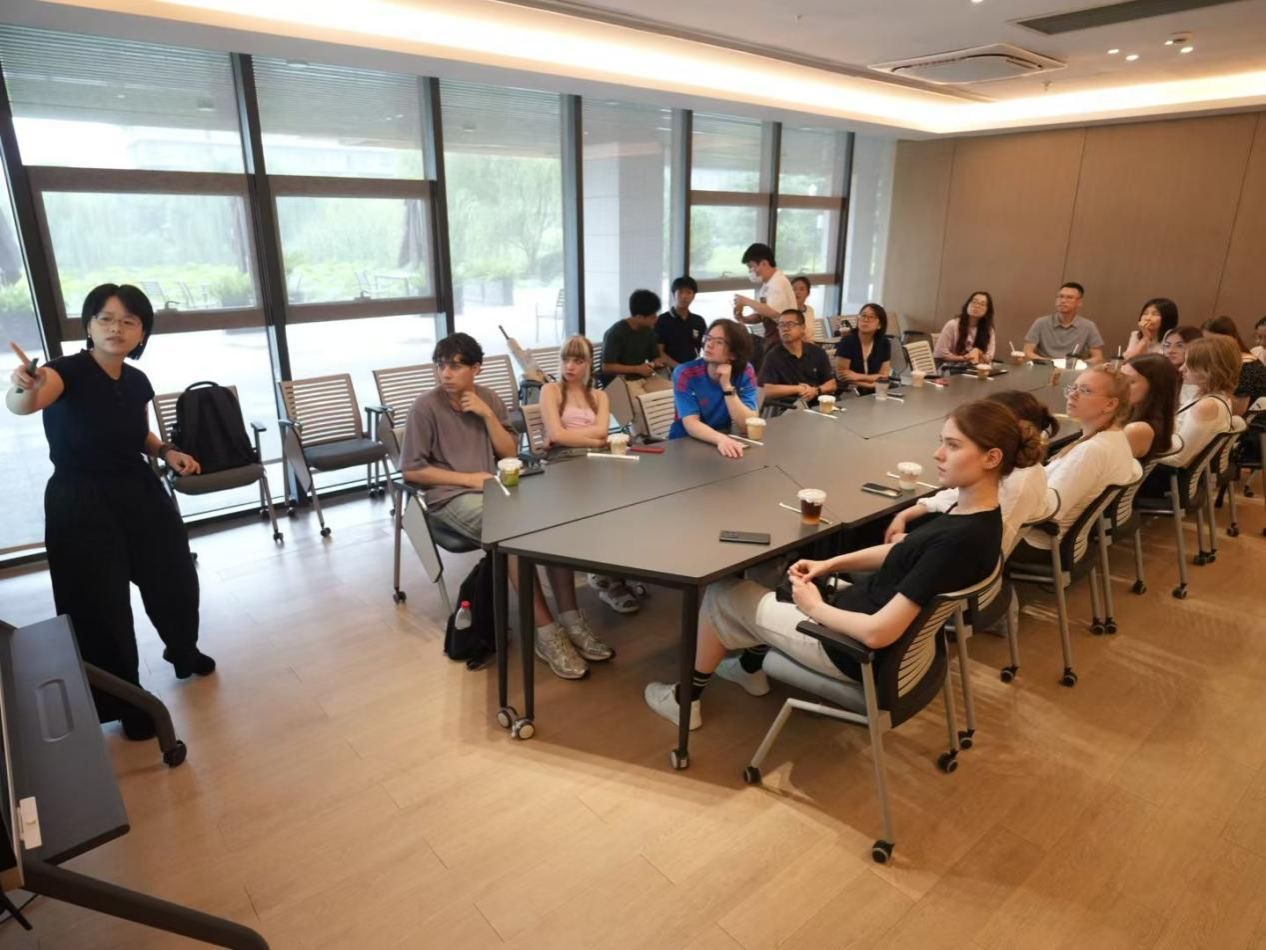
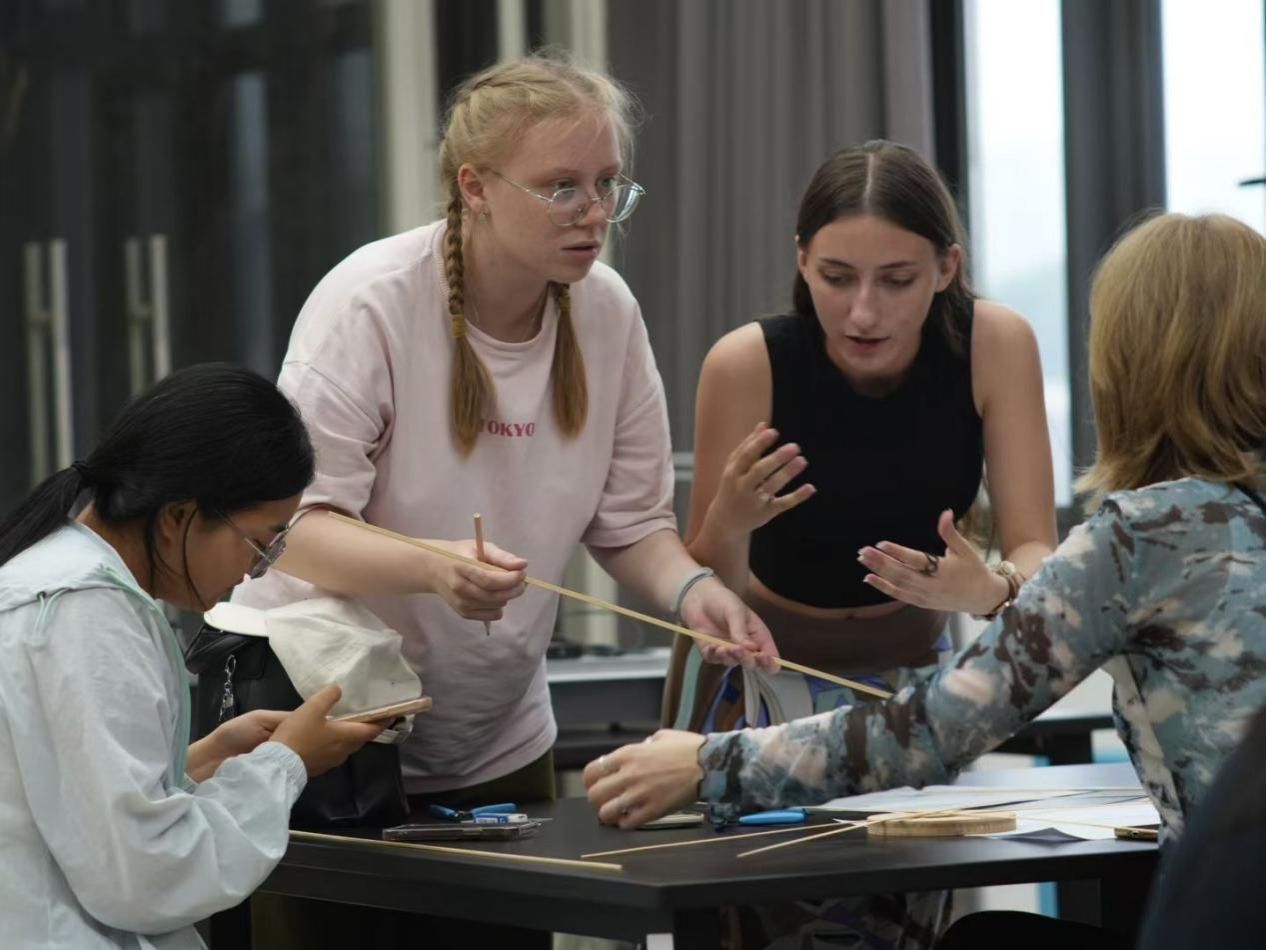
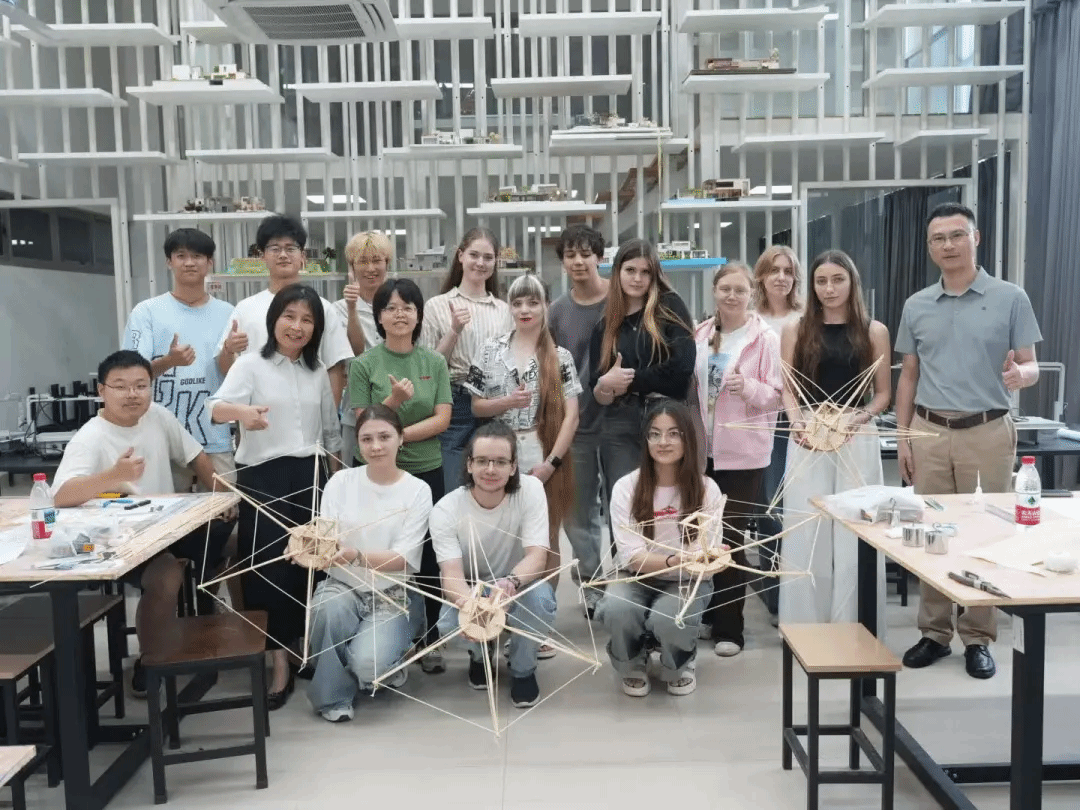
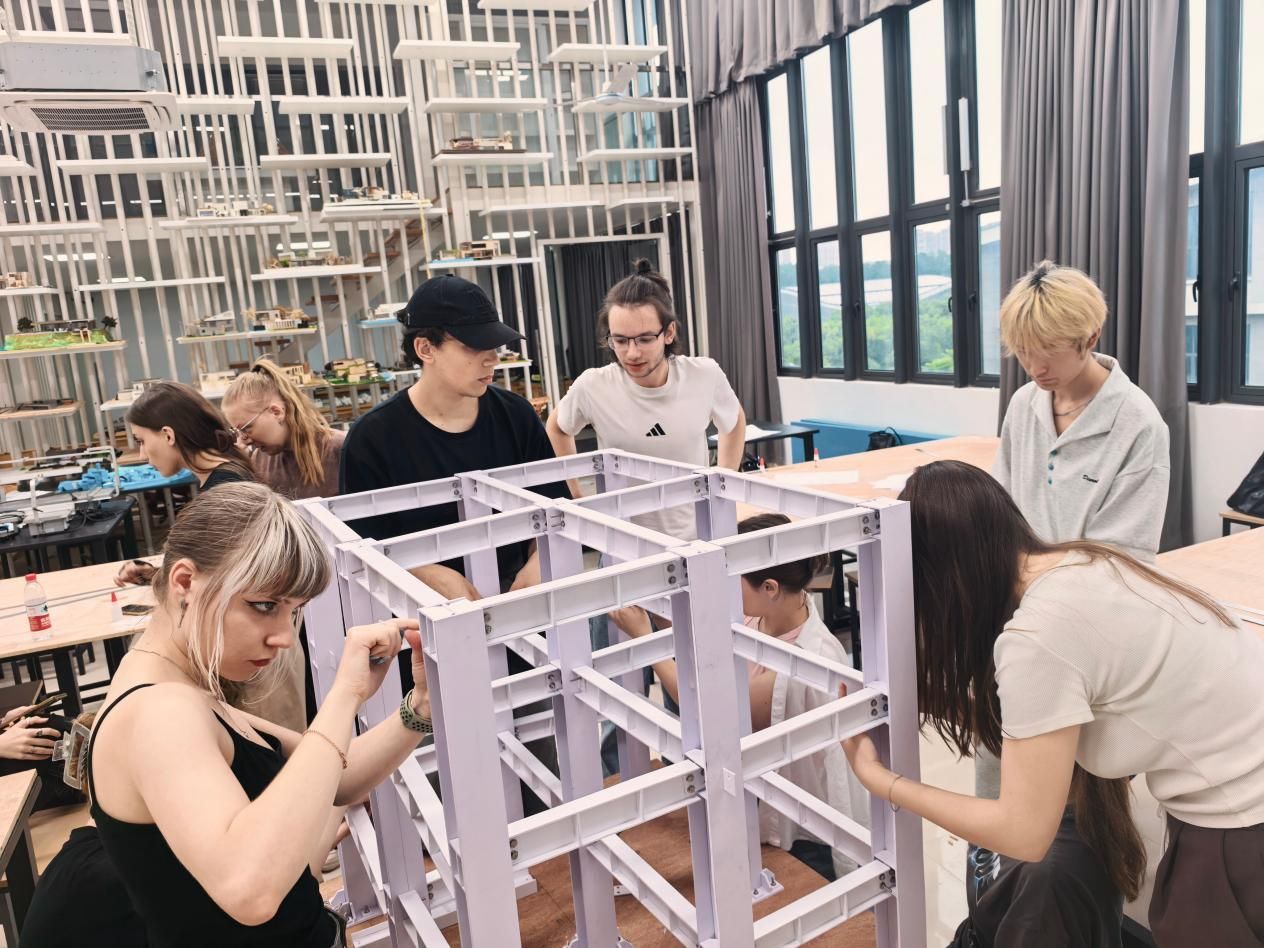
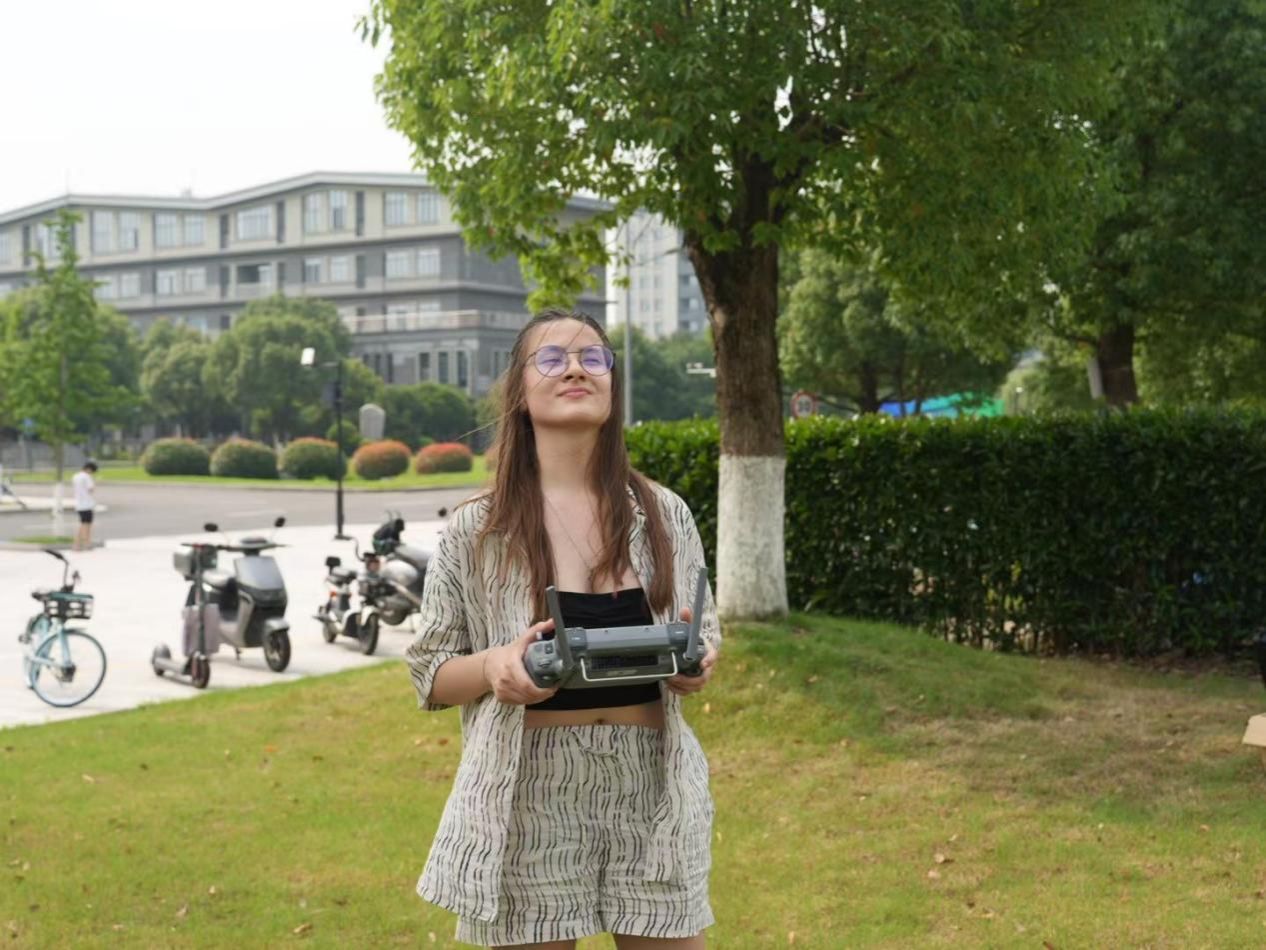
In the first week, this study program focused on on-campus practical training. Students from Belarus took part in integrated training that combined theory, software applications, and physical models. Activities included bamboo structural model making, mechanical performance testing, assembly of prefabricated steel structures, and hands-on drone operation. Chinese and international students worked in mixed teams and completed the entire practical training process, from material testing to structural loading.
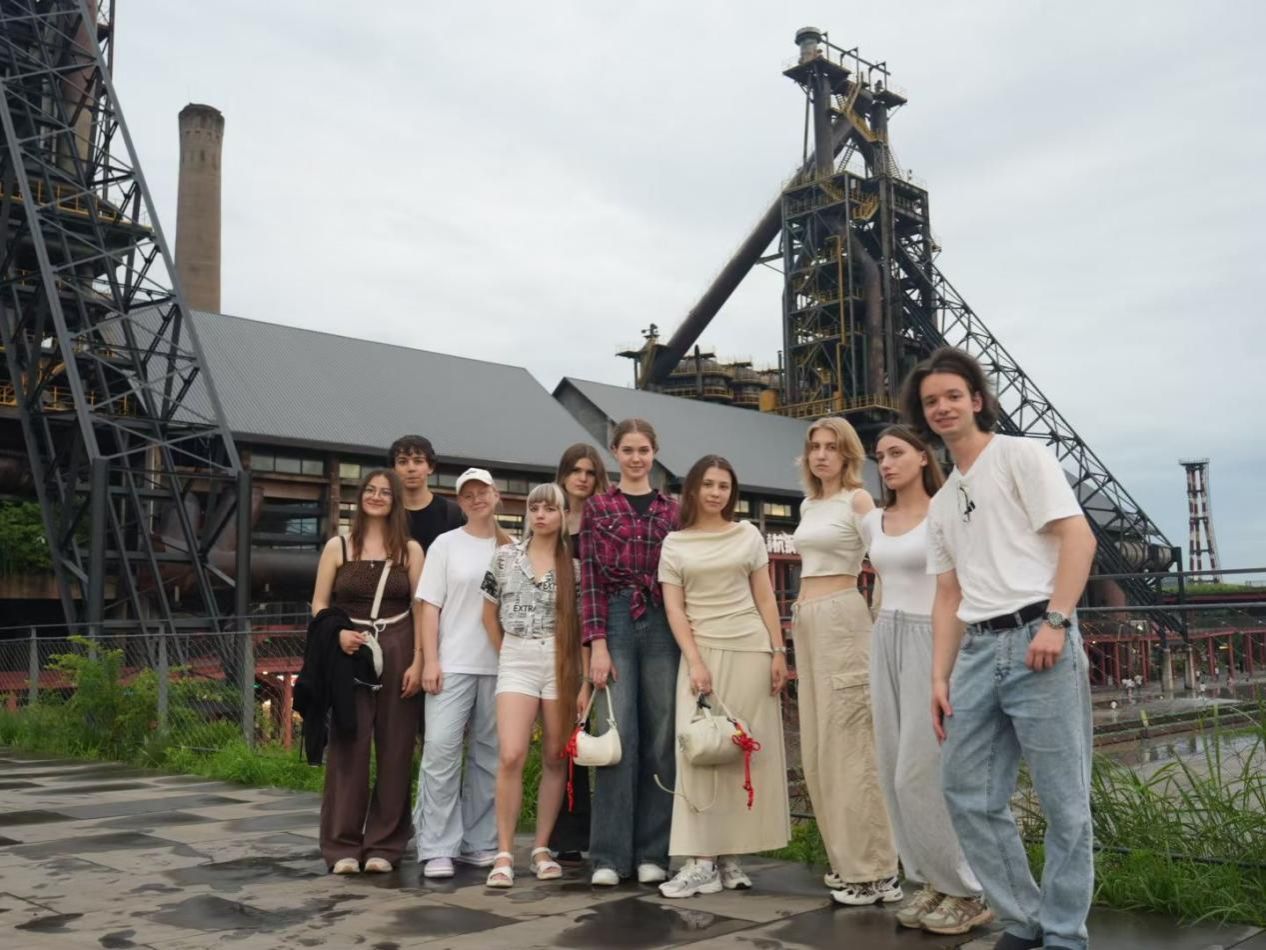
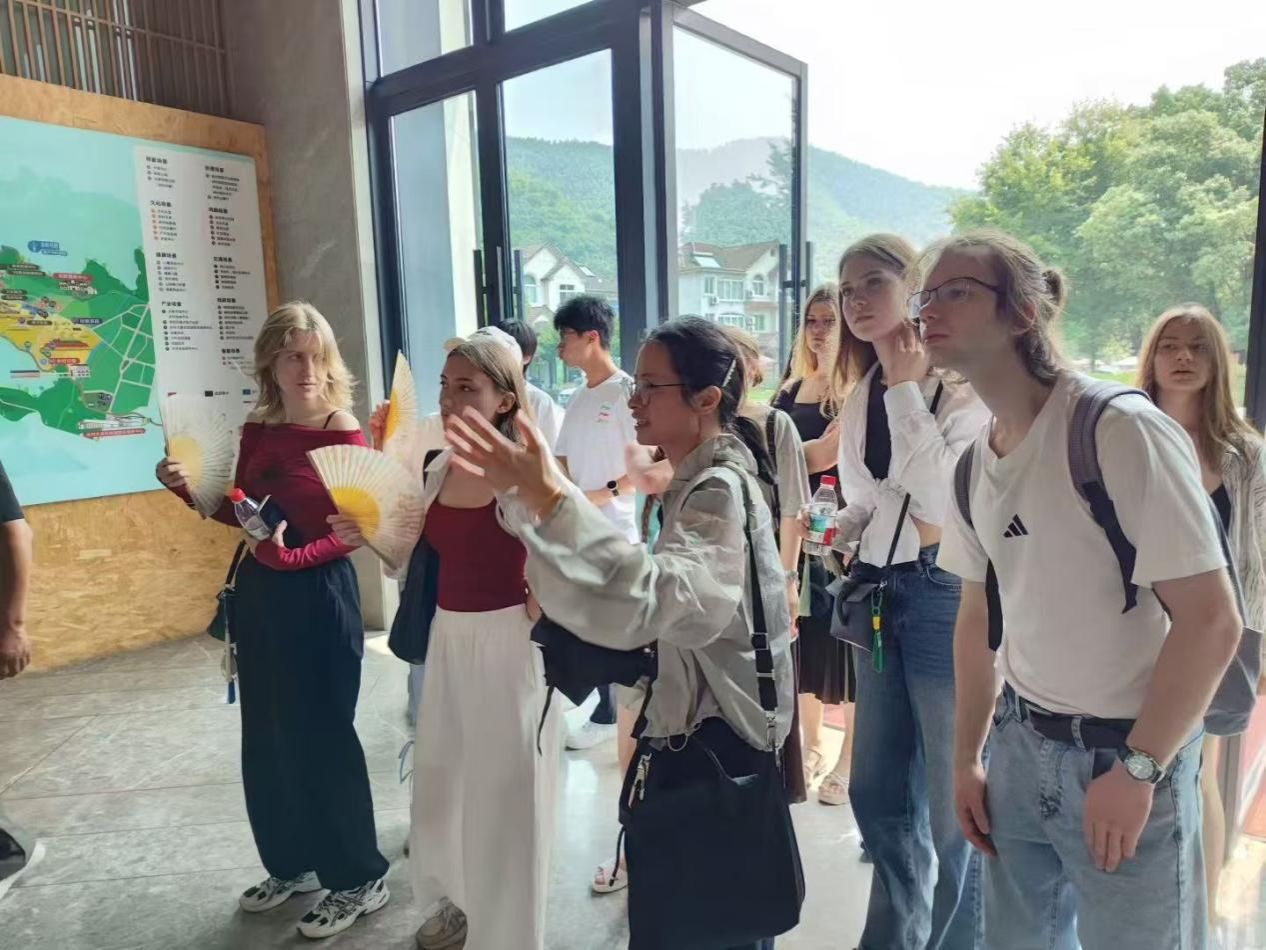
In the second week, this program focused on off-campus field visits and research. The study group visited the Joint Research Center for Biomass Materials and Carbon Neutrality Construction of Zhejiang University in Ninghai, where students learned about advanced low-carbon bamboo structural technologies. They also visited Zhejiang Southeast Space Frame Co., Ltd. and Hangzhou International Expo Center to learn about large-span steel structure engineering. Further visits were made to Hangzhou Steelworks Park and the Hangzhou E-sports Center to gain insights into urban renewal practices, as well as to the Hangzhou Branch of the China National Archives of Publications and Culture and Huawei Global Training Center. Over the two weeks, the program covered four cities, i.e., Shaoxing, Huzhou, Hangzhou and Ningbo, and addressed key areas including green and low-carbon buildings, large-span engineering projects and organic urban renewal.
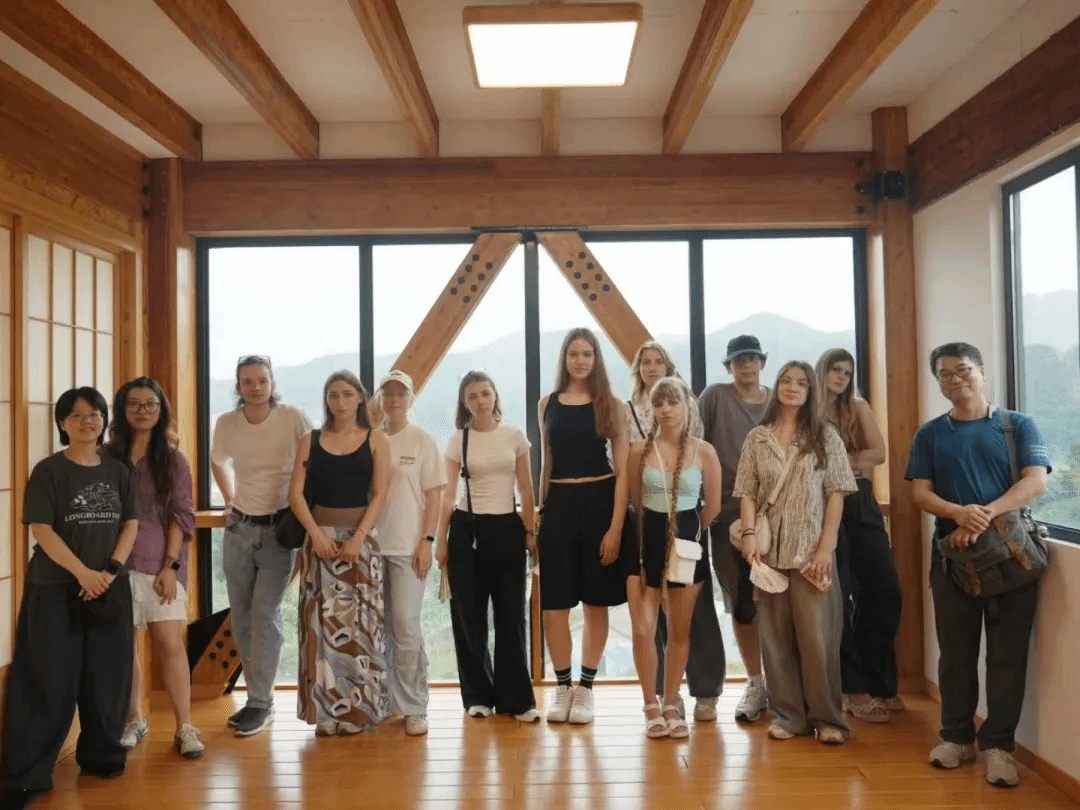
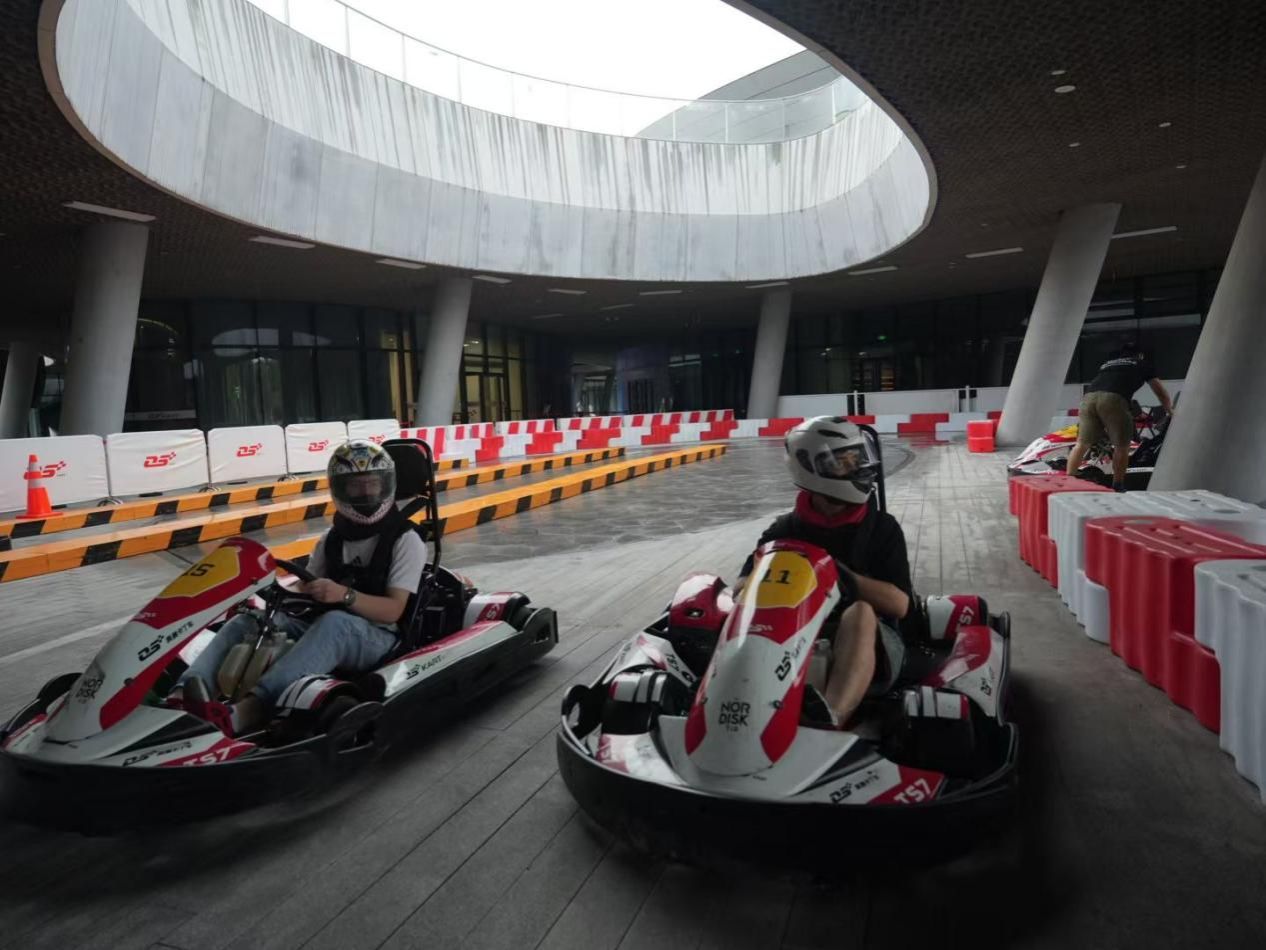
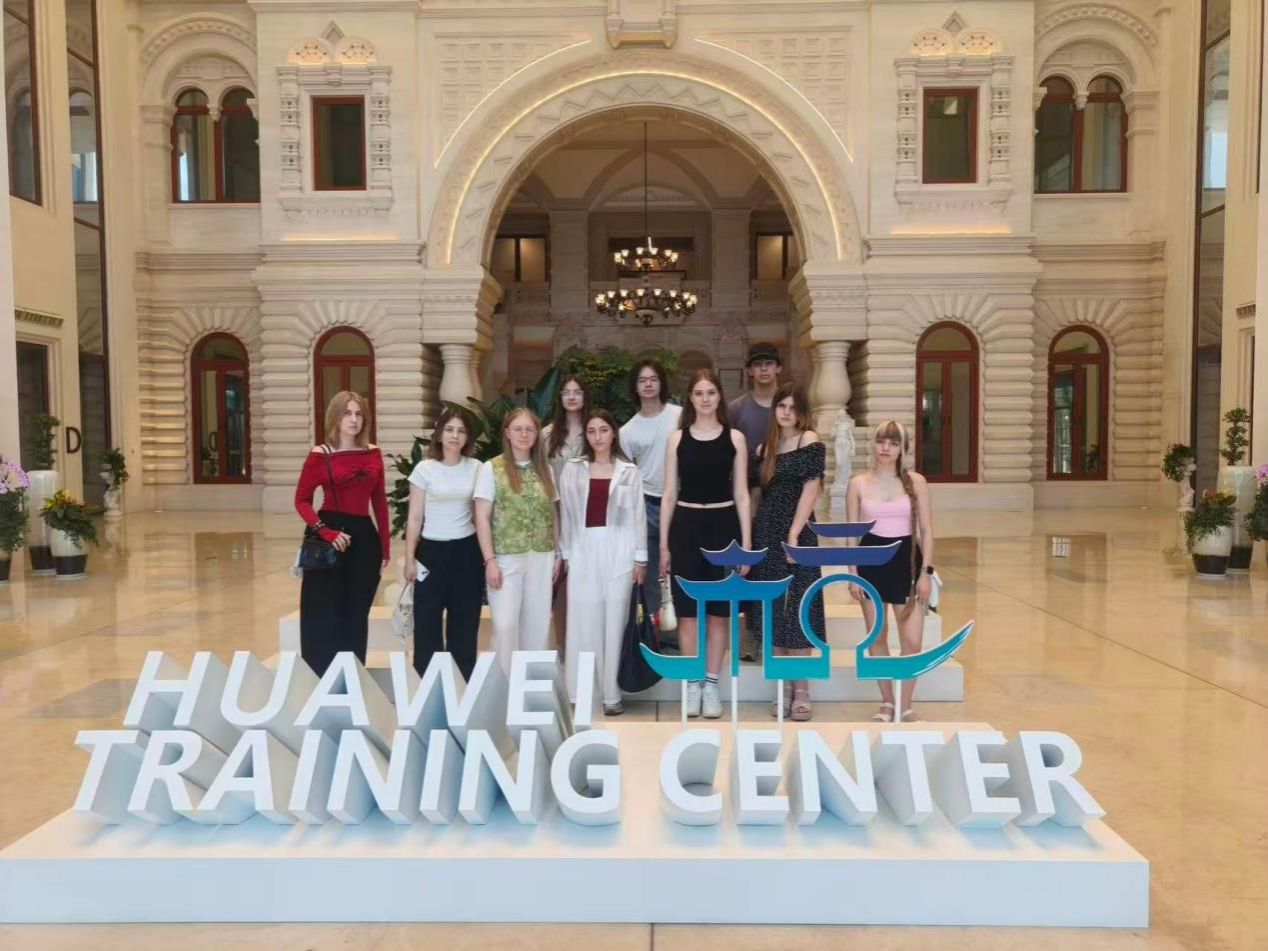
Integrating Chinese and Belarusian Cultures and Fostering Mutual Understanding Among Young People
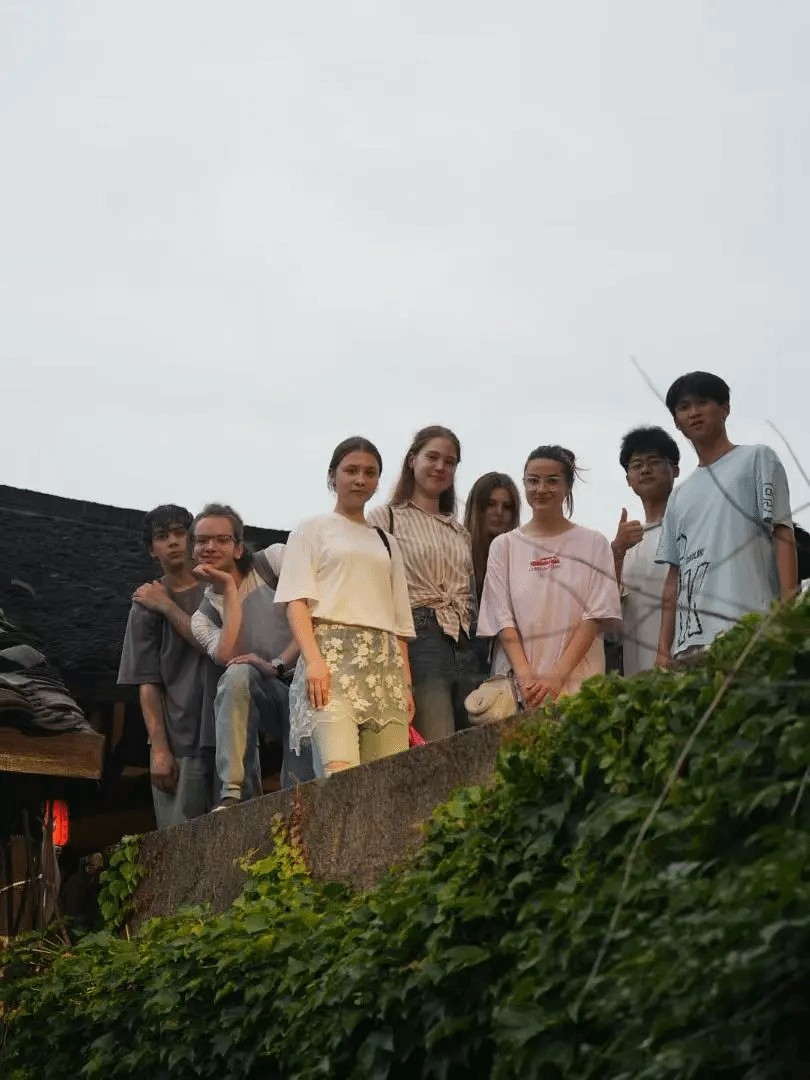
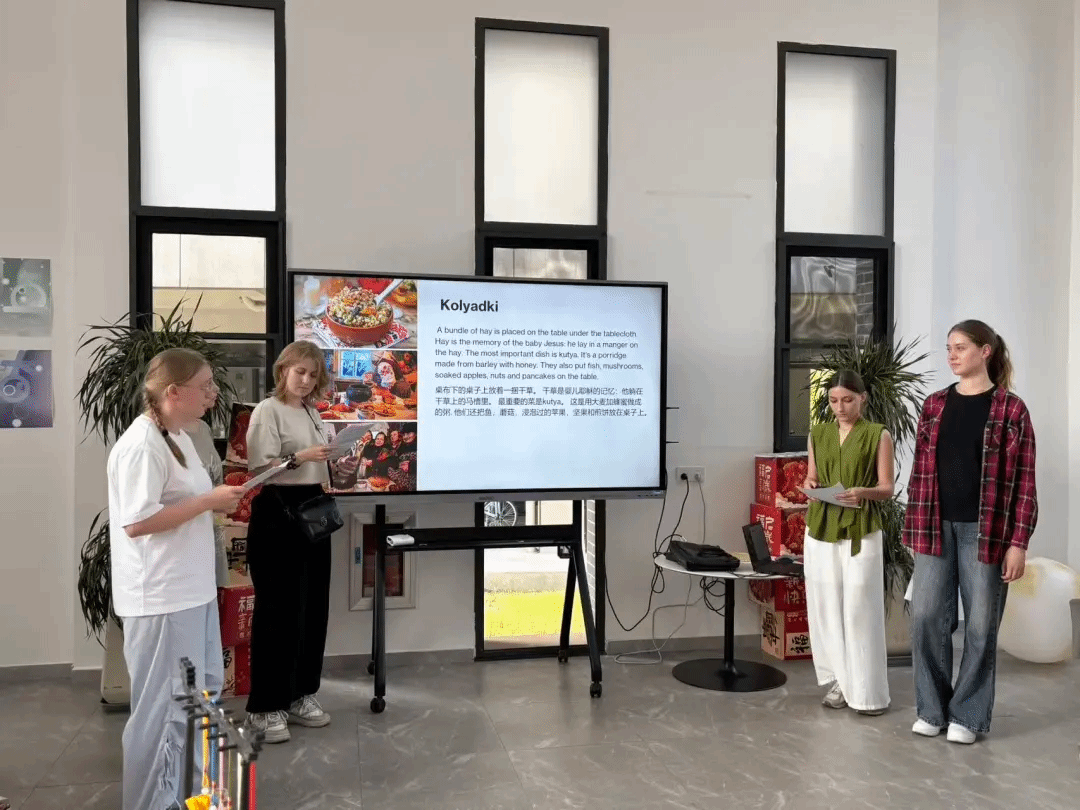
During the program, the school organized activities introducing students to experience the culture of the Dragon Boat Festival, including making rice dumplings (Zongzi) and traditional scented sachets. Students also visited Anchang Ancient Town and Yucun Village in Anji, where they experienced traditional Chinese culture and learned about China’s efforts in beautiful countryside development. Belarusian students also shared their own folk traditions and culture, and young people from both countries forged friendships through these exchanges.
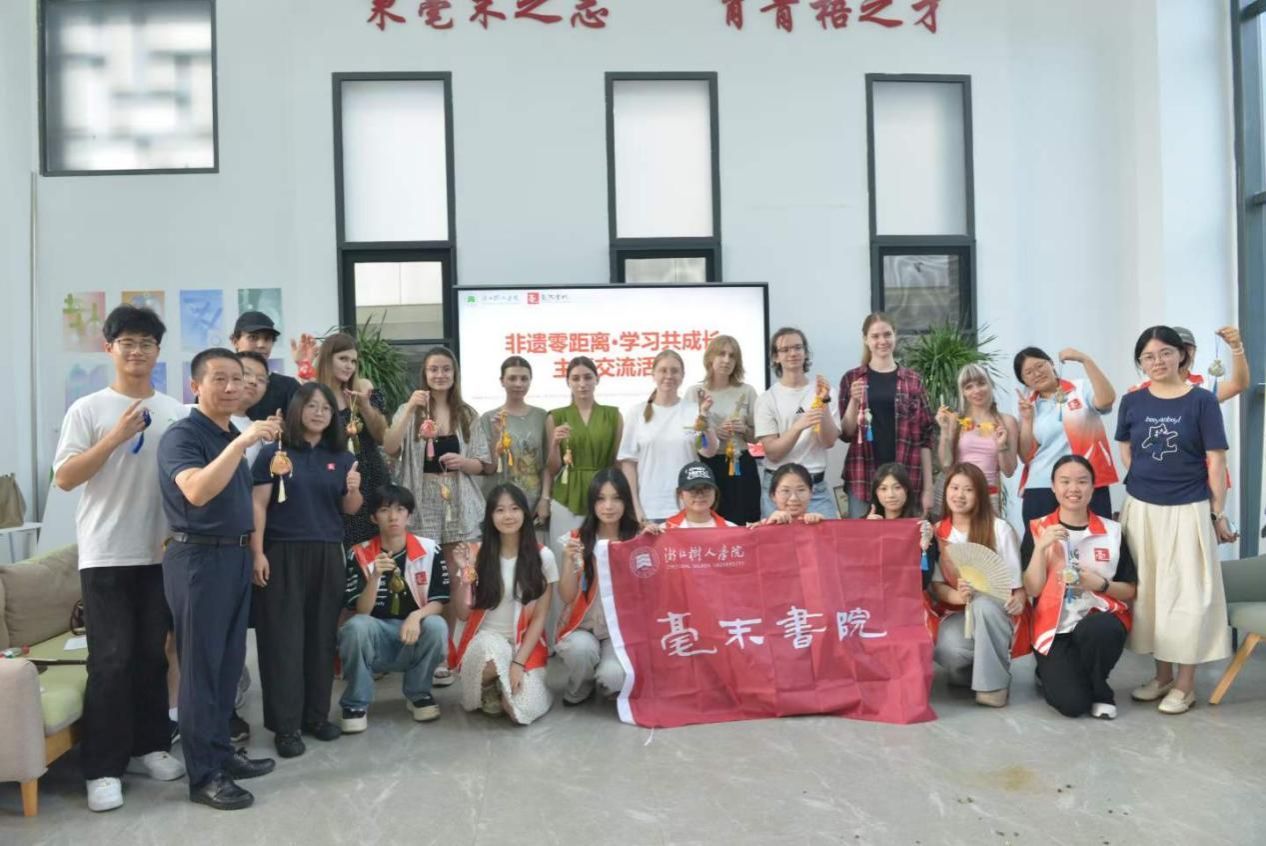
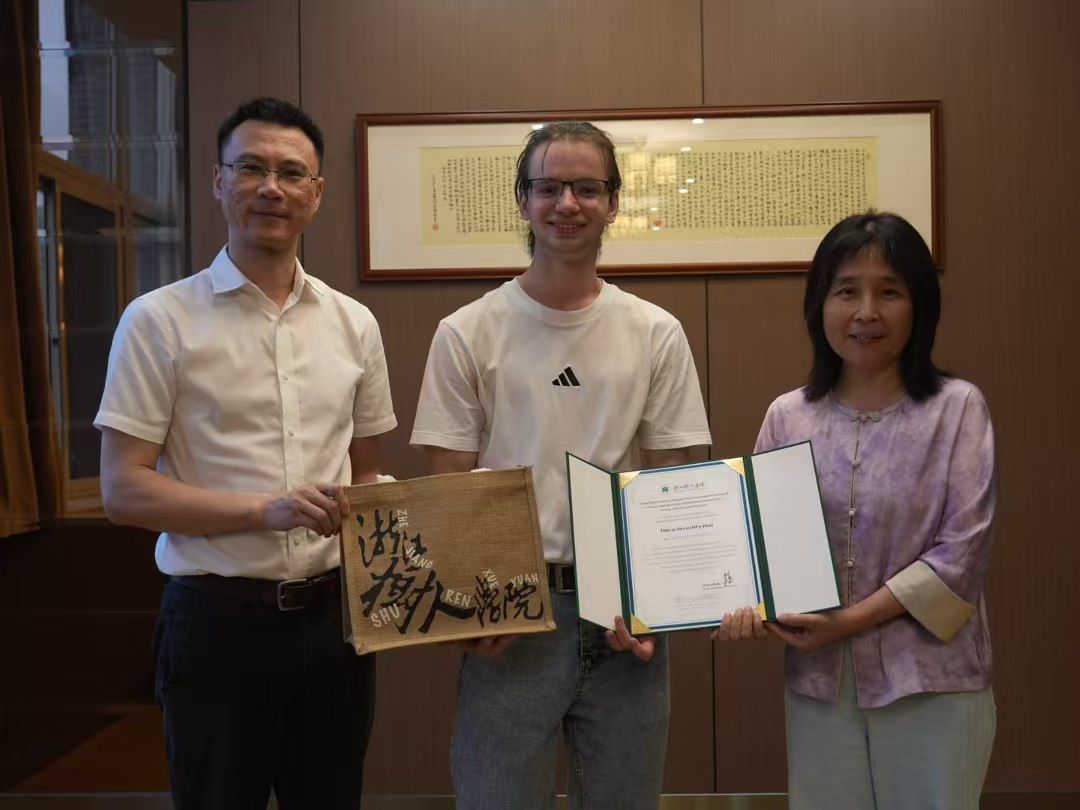
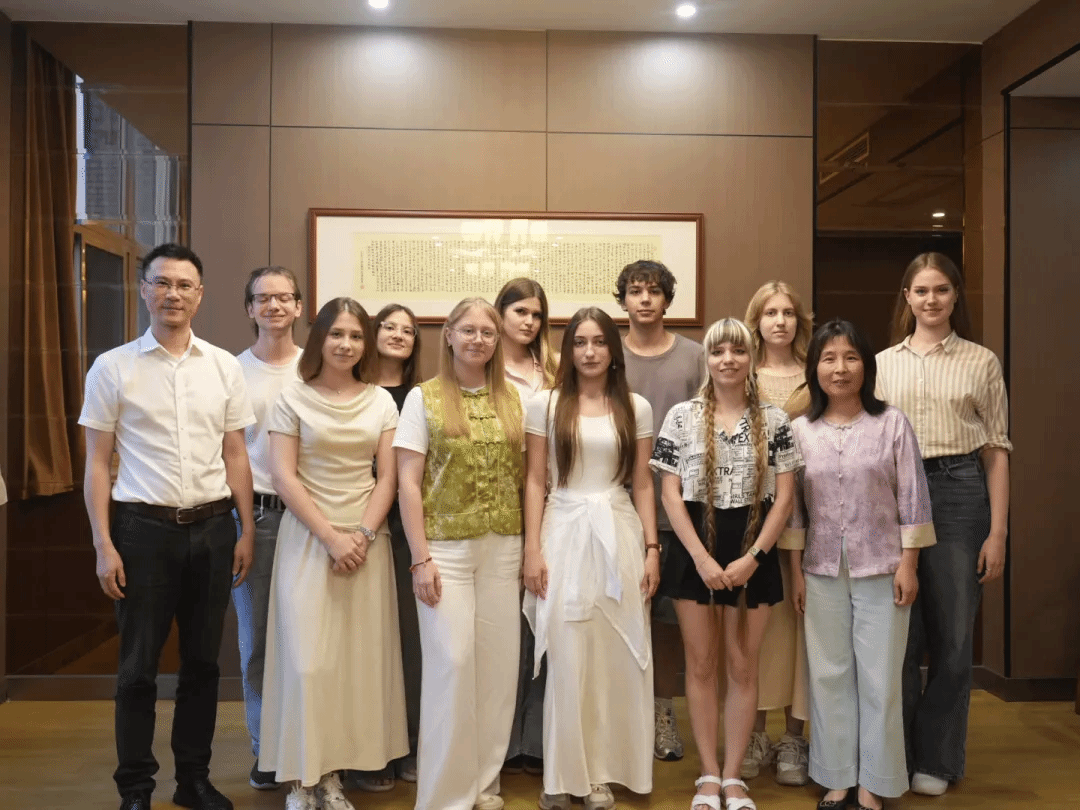
The School of Urban Construction noted that the program had established an integrated educational model combining classroom-based practical training, field survey and cultural experience. It will continue to expand cooperation with higher education institutions in countries participating in the “Belt and Road” Initiative and persistently promote the development of its distinctive international education programs.