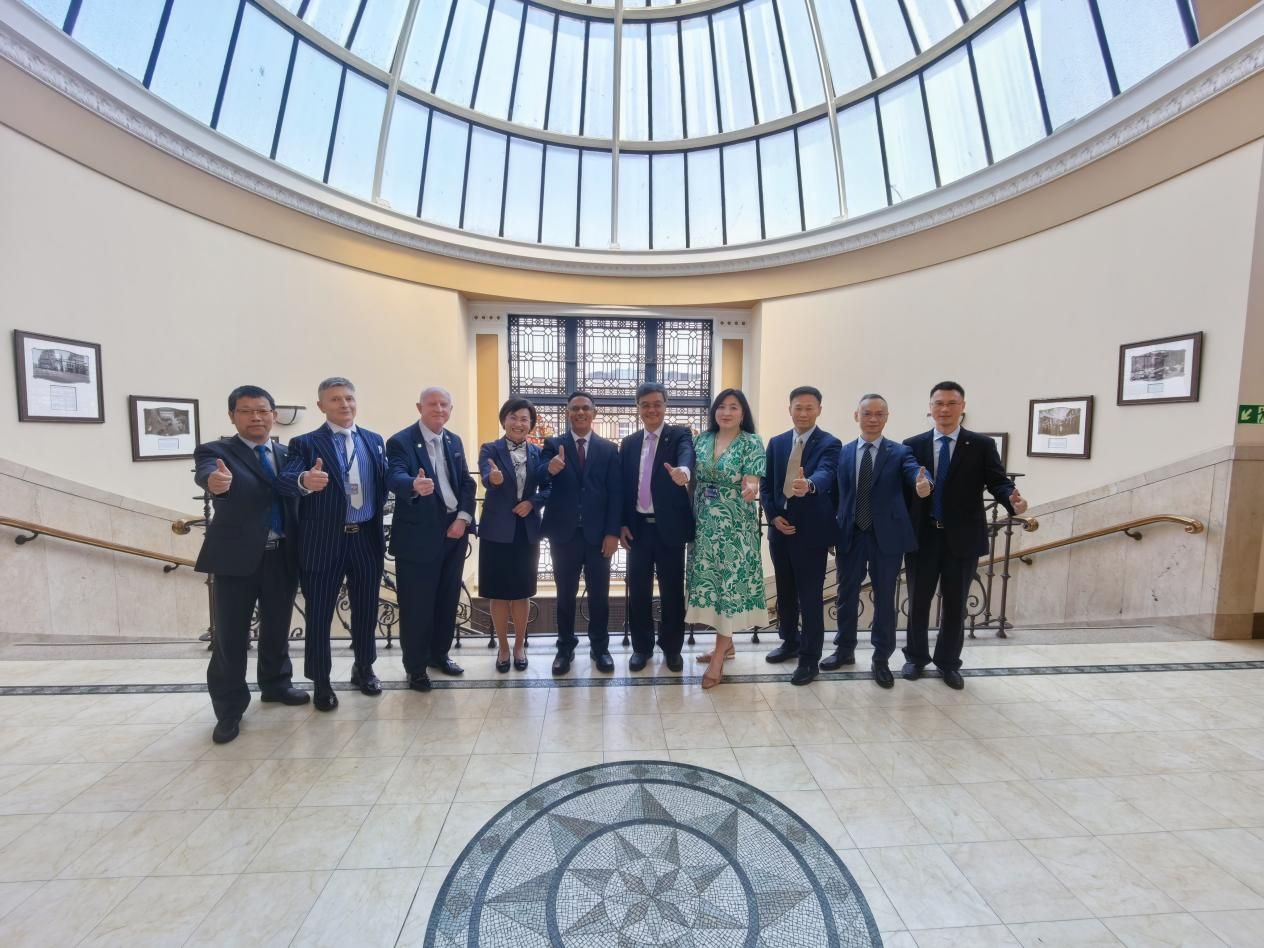
From July 5th to 9th, 2026, at the formal invitation of Professor Ebrahim Adia, Vice Chancellor of the University of Wolverhampton, President Li Lu of Zhejiang Shuren University led a delegation to the University of Wolverhampton in the UK for academic exchange. The delegation comprised Jiang Wenjie, Director of the Office of Academic Affairs; Professor Zhou Chaocheng, Dean of the School of Public Affairs; Wu Ronglan, Deputy Director of the Office of International Affairs; Professor Wang Zhenhua, Deputy Dean of the School of Urban Construction; and Associate Professor Liu Jixun from the Department of Property Management. During the visit, the delegation participated in the international academic symposium titled “Towards a Healthy and Sustainable Future:Smart Construction,Property Management and Transdisciplinary Innovation Integration,” jointly organized by Zhejiang Shuren University, the University of Wolverhampton, Quantity Surveyors International (QSi), the Royal Institution of Chartered Surveyors (RICS), and the Chartered Institute of Building (CIOB). Members of the delegation delivered academic presentations on the symposium theme, sharing cutting-edge research findings and industry practices, which further enhanced both Universities’ international academic influence in related disciplines. The delegation also held a series of thematic discussions with university administrators, academic leaders from relevant faculties and schools, research platforms, and key faculty members of the University of Wolverhampton. Discussions focused on establishing long-term academic cooperation mechanisms, joint applications for international collaborative research projects, and other key issues. The delegation visited key laboratories and the National Brownfield Institute on campus to gain insights into advanced practices and explore opportunities for collaboration in joint laboratory development, research resource sharing, and industry–university–research collaboration. The two universities reached broad consensus on further deepening cooperation and officially signed the Memorandum of Understanding on In-Depth Partnership between the University of Wolverhampton and Zhejiang Shuren University.
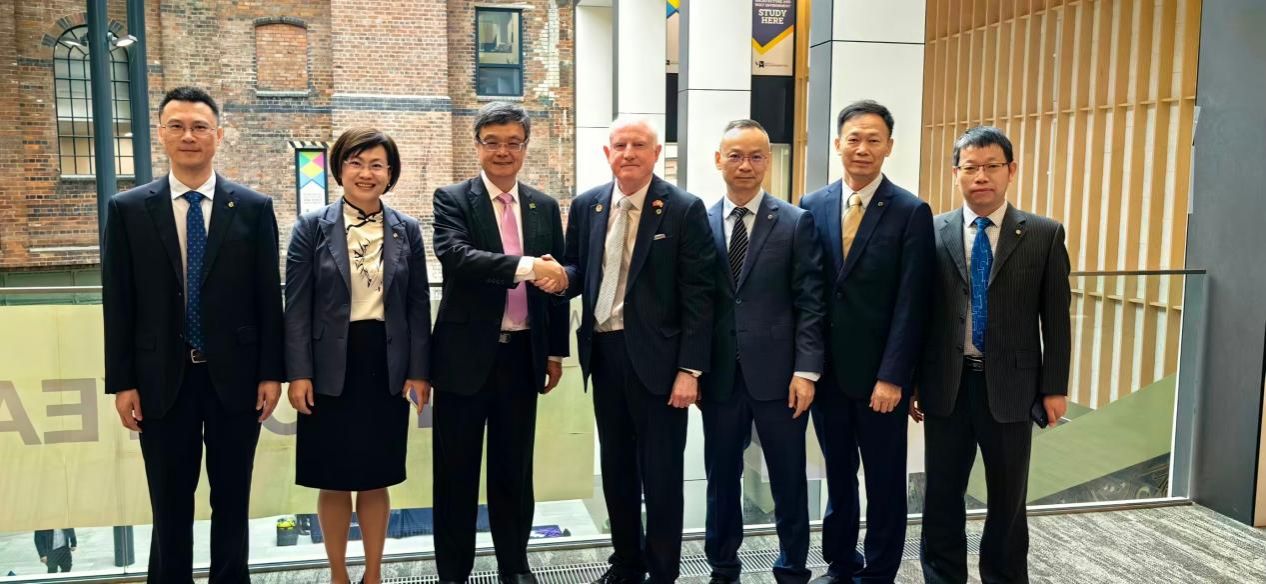
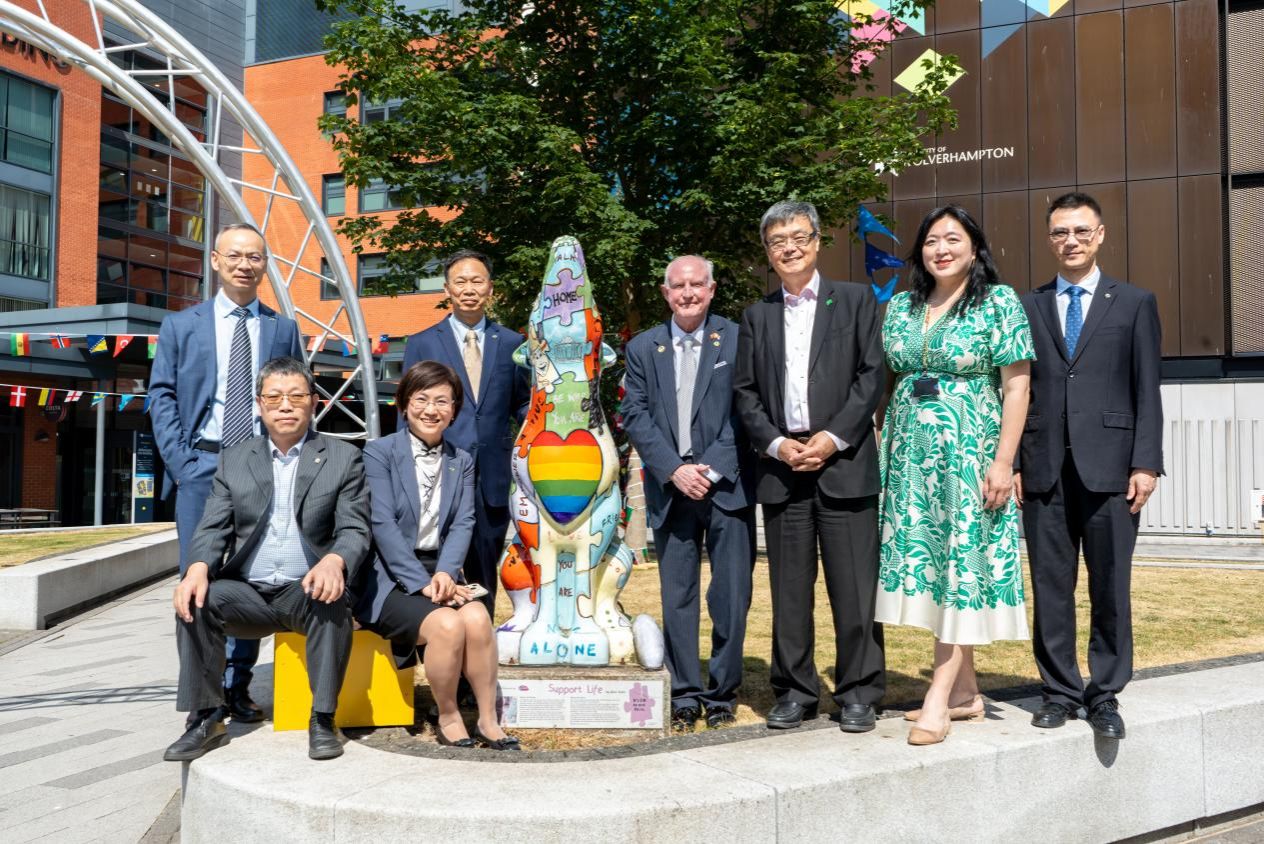
I. Co-hosting an International Academic Symposium to Establish a China-UK Cross-disciplinary Innovation Exchange Platform
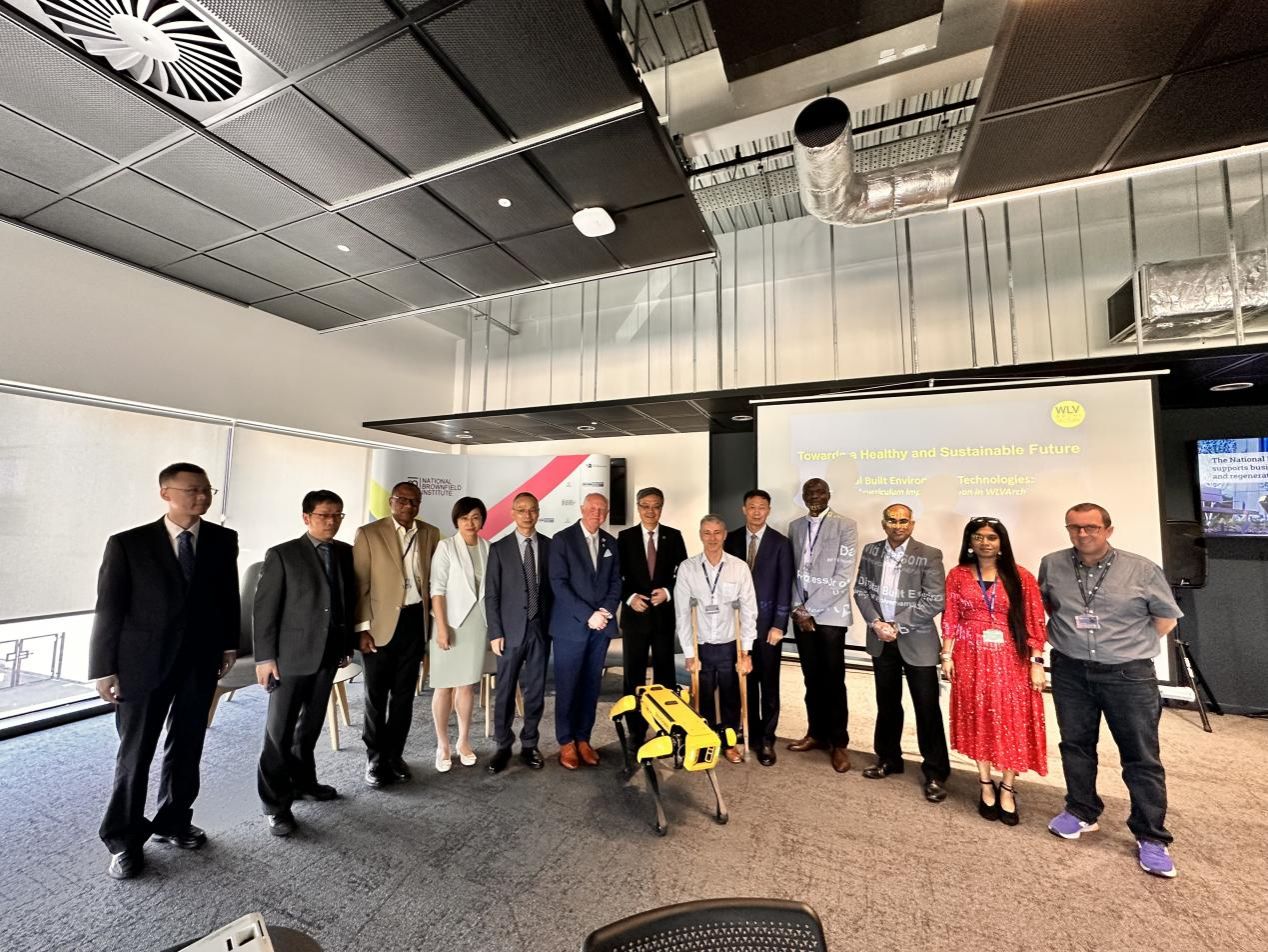
The international academic symposium “Towards a Healthy and Sustainable Future:Smart Construction,Property Management and Transdisciplinary Innovation Integration” was held at the National Brownfield Institute of the University of Wolverhampton. President Li Lu attended the conference and delivered the opening remarks. Against the backdrop of global sustainable human settlement development and healthy city development, he highlighted that the conference brought together Chinese and UK universities, international quantity surveying organization, and two leading international associations in construction and the built environment to jointly address key contemporary issues, including smart construction, modern property management, and interdisciplinary innovation. By breaking down boundaries among multiple disciplines such as engineering technology, industrial economics, public governance, and population health, the conference holds significant practical value in addressing challenges in human settlement development and advancing the development of a healthy society. President Li Lu put forward three initiatives: first, to build consensus on healthy city development as the central thread for China-UK interdisciplinary collaboration; second, to break down traditional disciplinary barriers and promote two-way collaborative innovation between digital technologies and social governance systems; and third, to establish a future-oriented and sustainable academic cooperation mechanism for higher education between China and the UK.
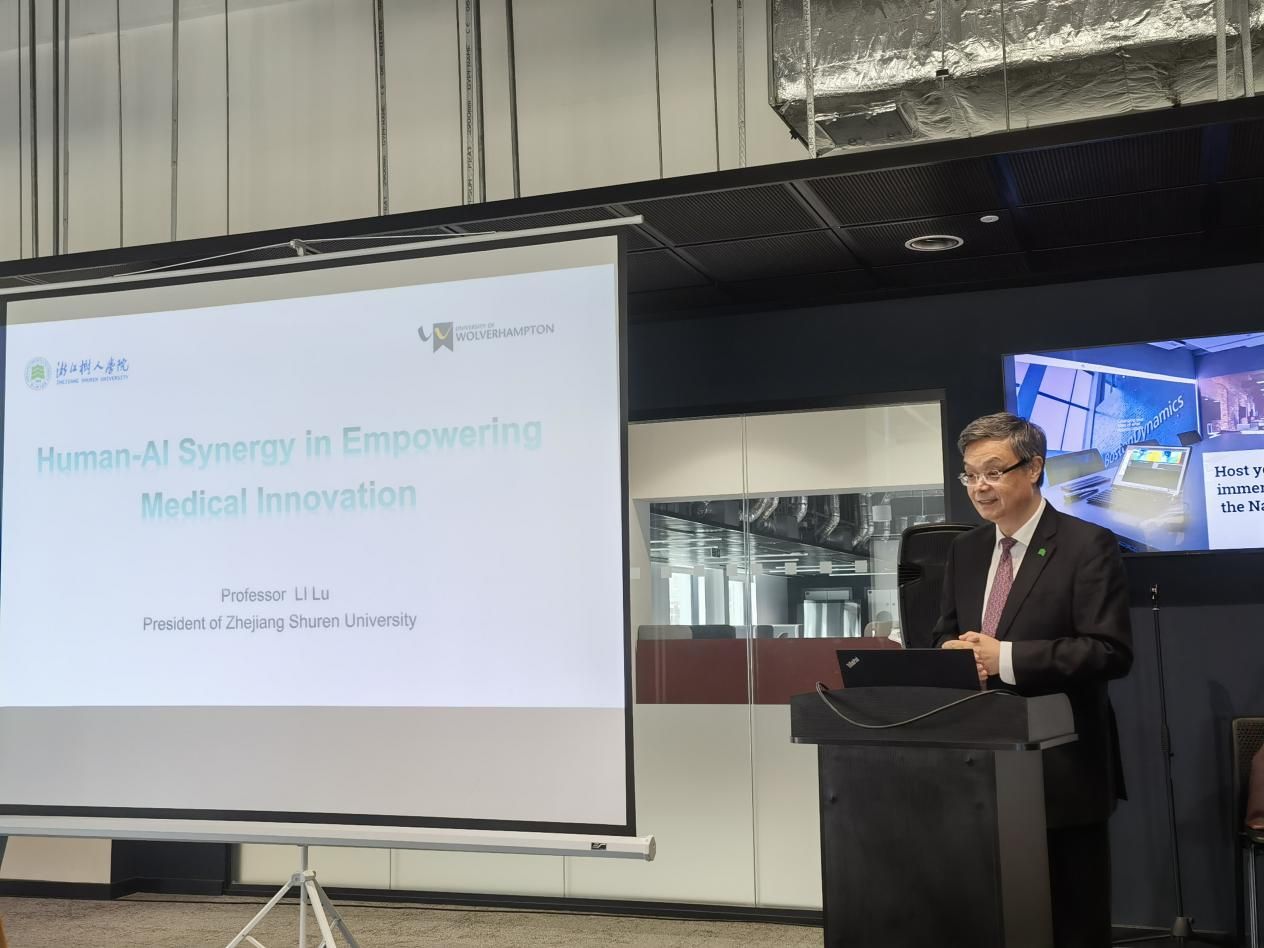
President Li Lu delivered a keynote speech titled Human-AI Synergy in Empowering Medical Innovation, providing an in-depth analysis of AI applications in healthcare and human-AI symbiosis.
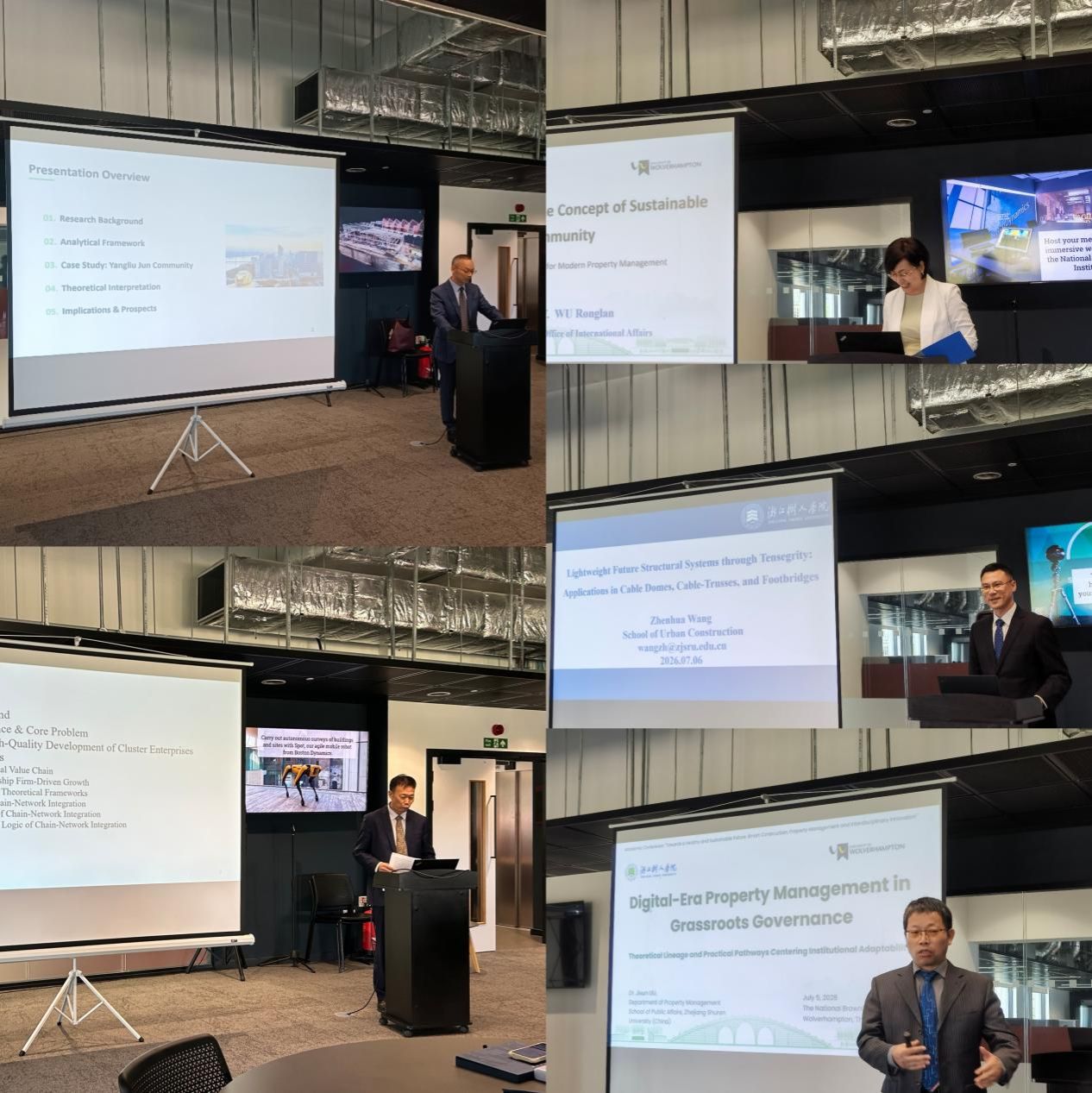
The University’s participating scholars, including Professor Zhou Chaocheng, Professor Jiang Wenjie, Associate Professor Wu Ronglan, Professor Wang Zhenhua, and Associate Professor Liu Jixun, took the stage in succession to share their research findings and innovative ideas in the fields of urban governance, industrial economics, smart communities, engineering structures, and digital property management.
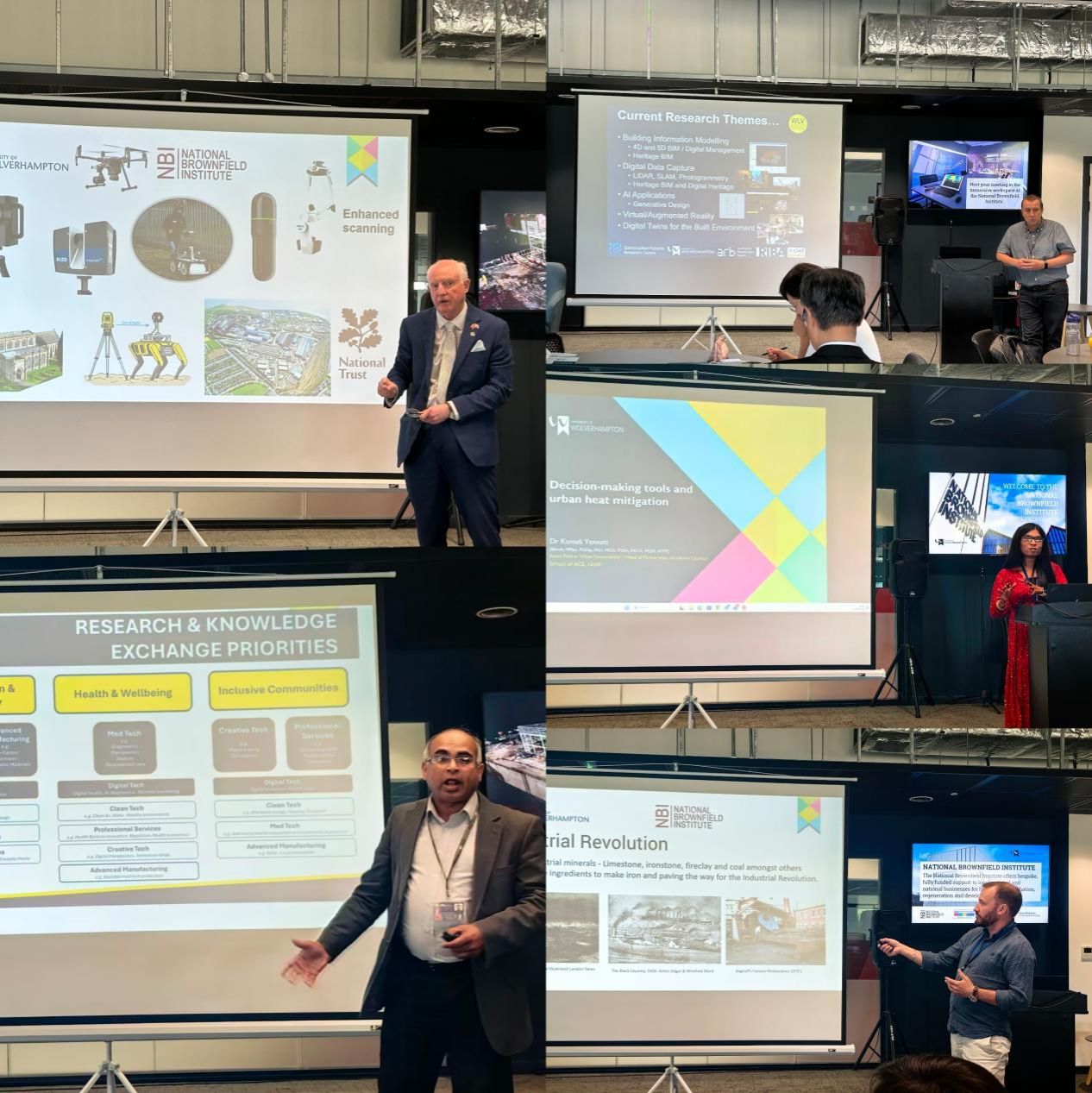
Experts from the University of Wolverhampton, including Chaminda Pathirage, Andrew Stott, David Heesom, and Komali Yenneti, as well as leading industry representatives, also shared their research findings. The topics covered cutting-edge areas such as brownfield ecological restoration and integrated development, the implementation of digital technologies in the built environment, decision-making tools for urban climate governance, digital building modeling, and sustainable human settlement Property Management. Advanced professional equipment for terrestrial 3D laser scanning from the UK was also demonstrated on site, providing diverse practical references for interdisciplinary and international academic exchange and mutual learning between China and the UK.
II. Conducting Thematic Exchanges and Research Visits to Benchmark Best Practices and Define Pathways for Collaborative Development
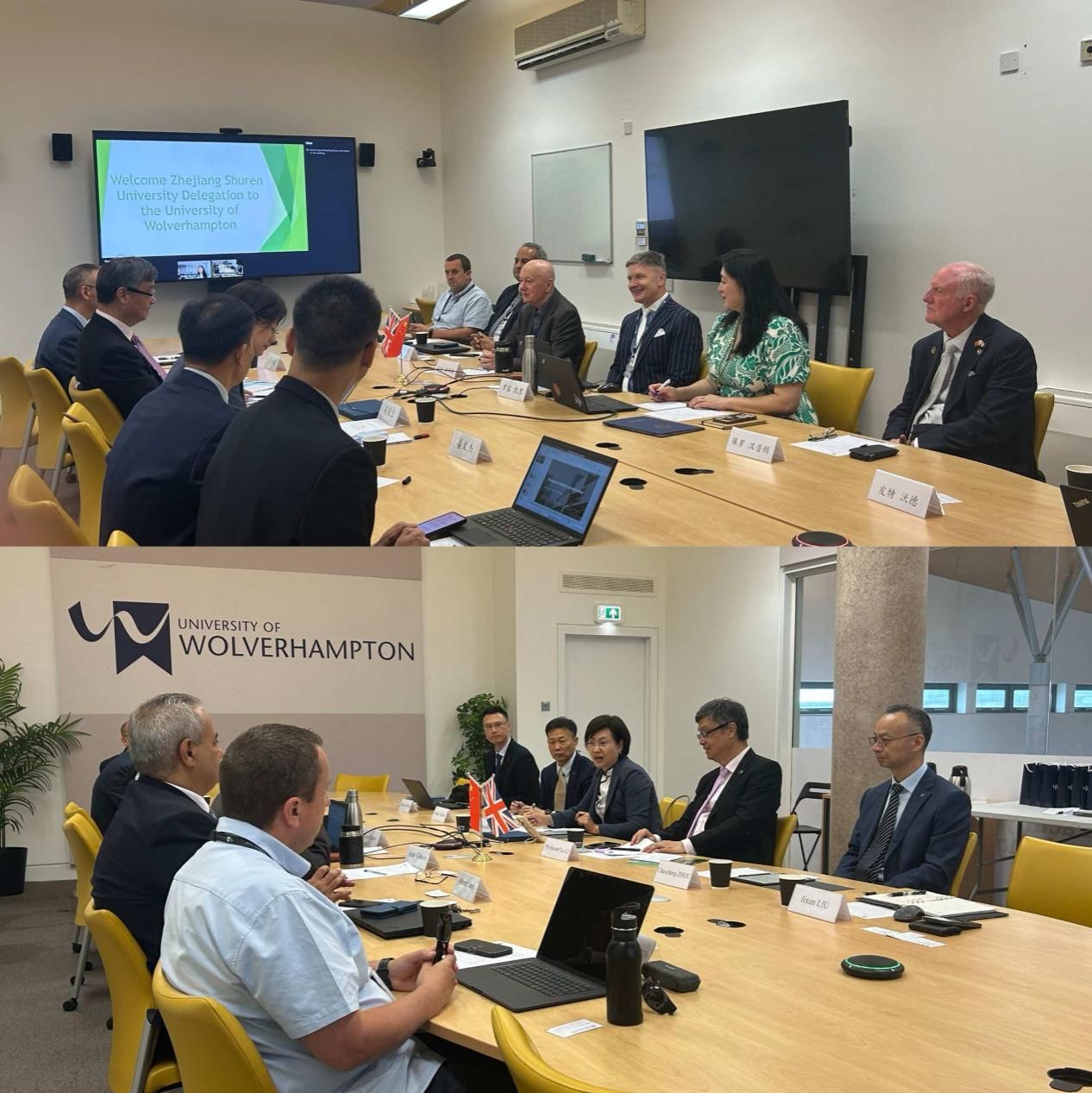
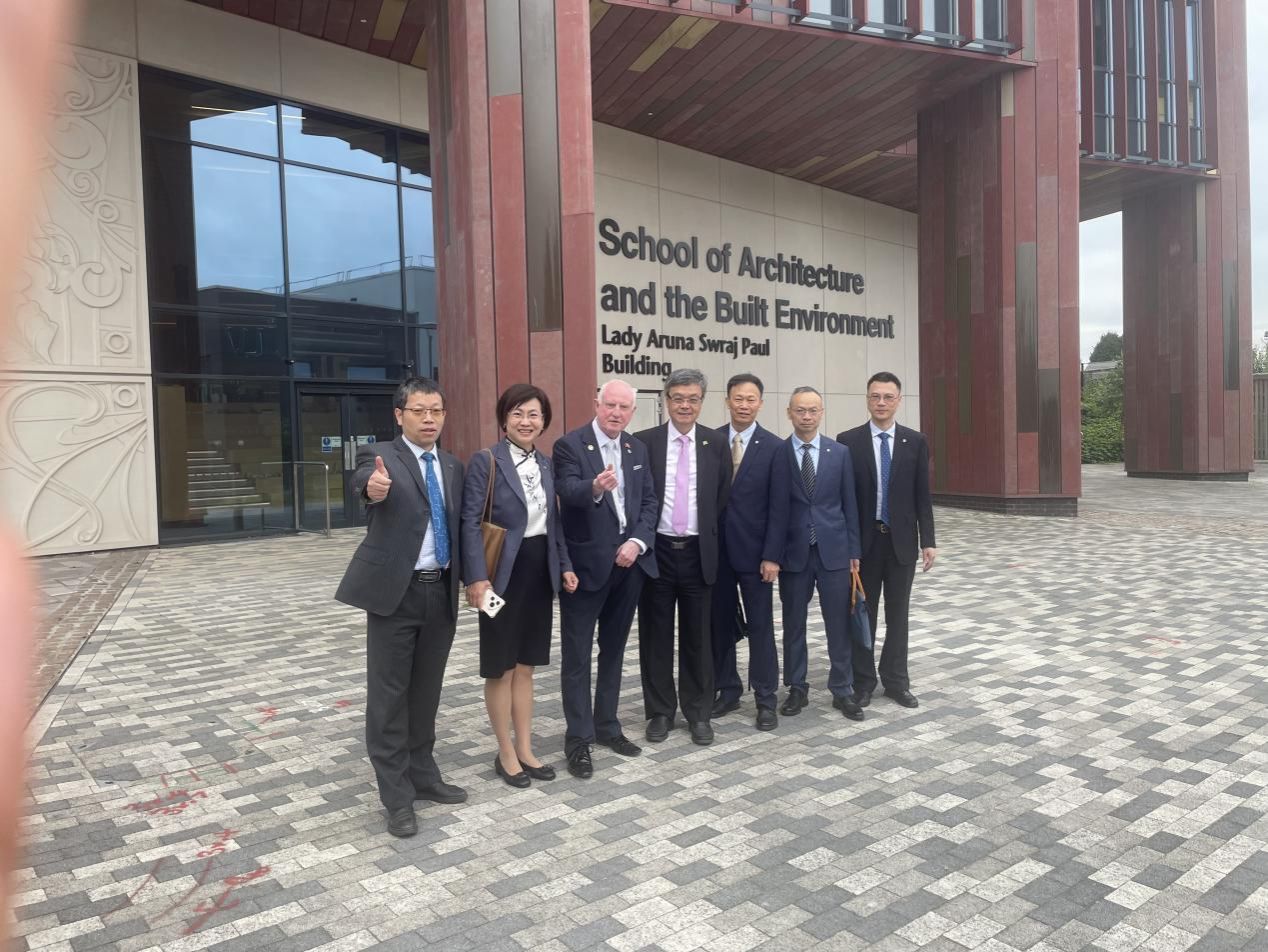
The delegation visited the Faculty of Science and Engineering and held an academic exchange meeting with academic leaders and key faculty members from the Faculty of Science and Engineering and its affiliated schools, including the School of Architecture and the Built Environment and the School of Architecture, Computing and Engineering. The delegation engaged in discussions with academic leaders and representatives, including Professor Andy Gibson, Dean of Faculty of Science and Engineering, Professor Ahmed Onsy, Head of School of Architecture, Computing and Engineering, Professor Paul Hampton, Head of School of Architecture and Built Environment, Dr. Peter Warlde – Interim Deputy Dean of Yunnan Agricultural- University of Wolverhampton Institute of Agricultural Engineering, Professor Chaminda Pathirage, Director of the Brownfield Research and Innovation Centre, David Heesom, an expert in the digital built environment, Robin Carey, Director of International Partnerships, and Dr. Zhang Wenxin, Head of China Partnerships, on topics including innovative development and interdisciplinary integration, cross-disciplinary collaborative research pathways, academic cooperation mechanisms, and joint research project applications. During his discussion with Professor Andy Gibson, Dean of the Faculty of Science and Engineering, President Li Lu highly praised the advantages of the University’s faculty-based academic structure. He noted that, by coordinating and integrating disciplinary resources across the University and promoting interdisciplinary integration, the model has continuously generated high-level innovative outcomes. The University’s commitment to deeply integrating education, teaching, and scientific research, as well as closely aligning higher education with industry practices, provides valuable insights for learning and reference. The National Brownfield Institute serves as a benchmark platform for the integration of industry, education, and research and for multidisciplinary collaboration, offering broad opportunities for cooperation with our School of Biological and Environmental Engineering, School of Urban Construction, and School of Public Affairs. Professor Andy Gibson stated that the cooperation between the two universities is a long-term strategic partnership built on trust and mutual benefit. He expressed great expectations for the Property Management joint education program, which is scheduled to commence in September this year, and looked forward to the two universities launching more collaborative projects and extending their cooperation from teaching to areas such as research collaboration, faculty exchange, and international accreditation.
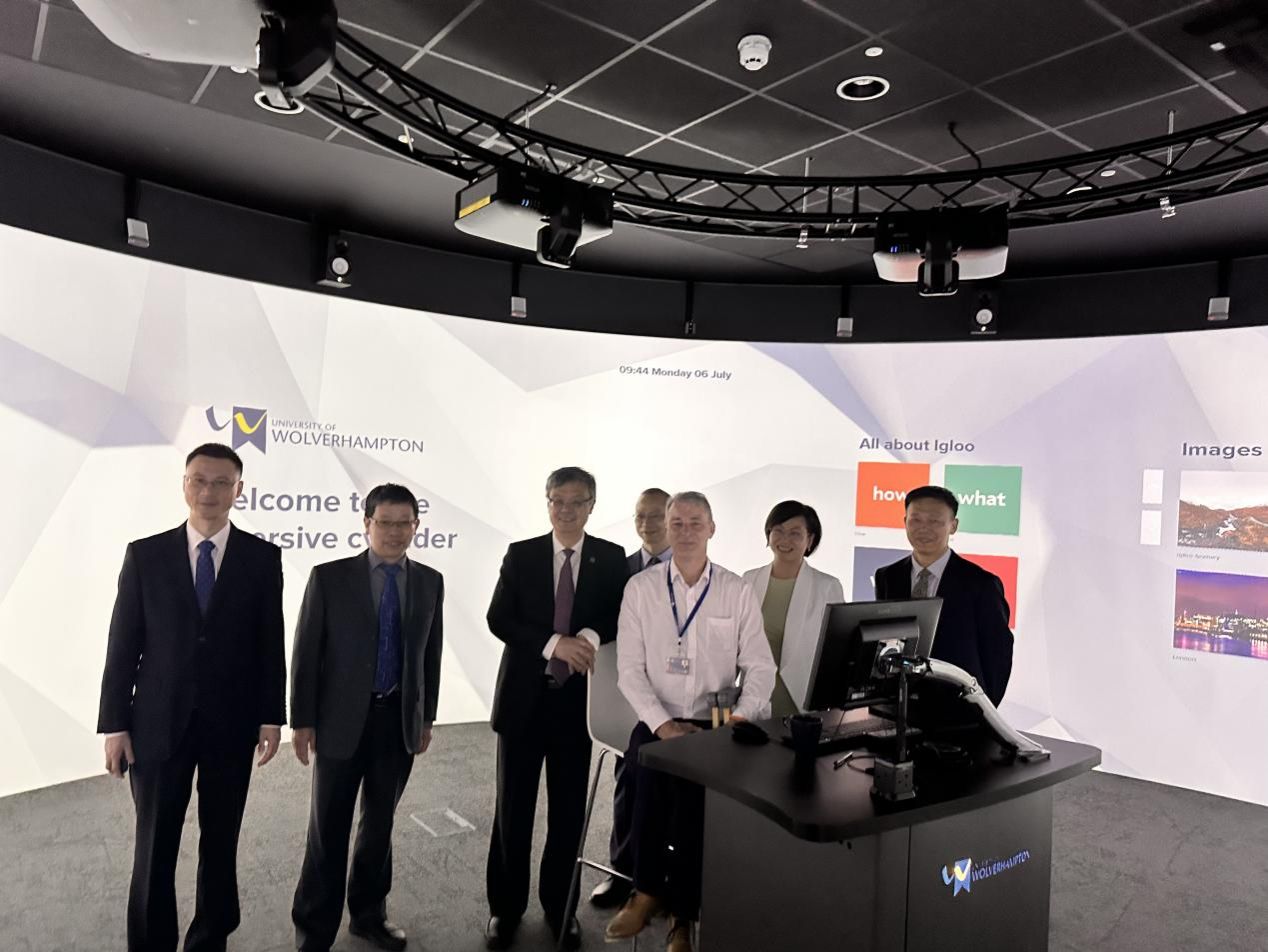
The delegation visited the Smart Property Management Laboratory at the University of Wolverhampton and conducted an in-depth study of the operating principles and diverse application scenarios of the igloo smart management system.
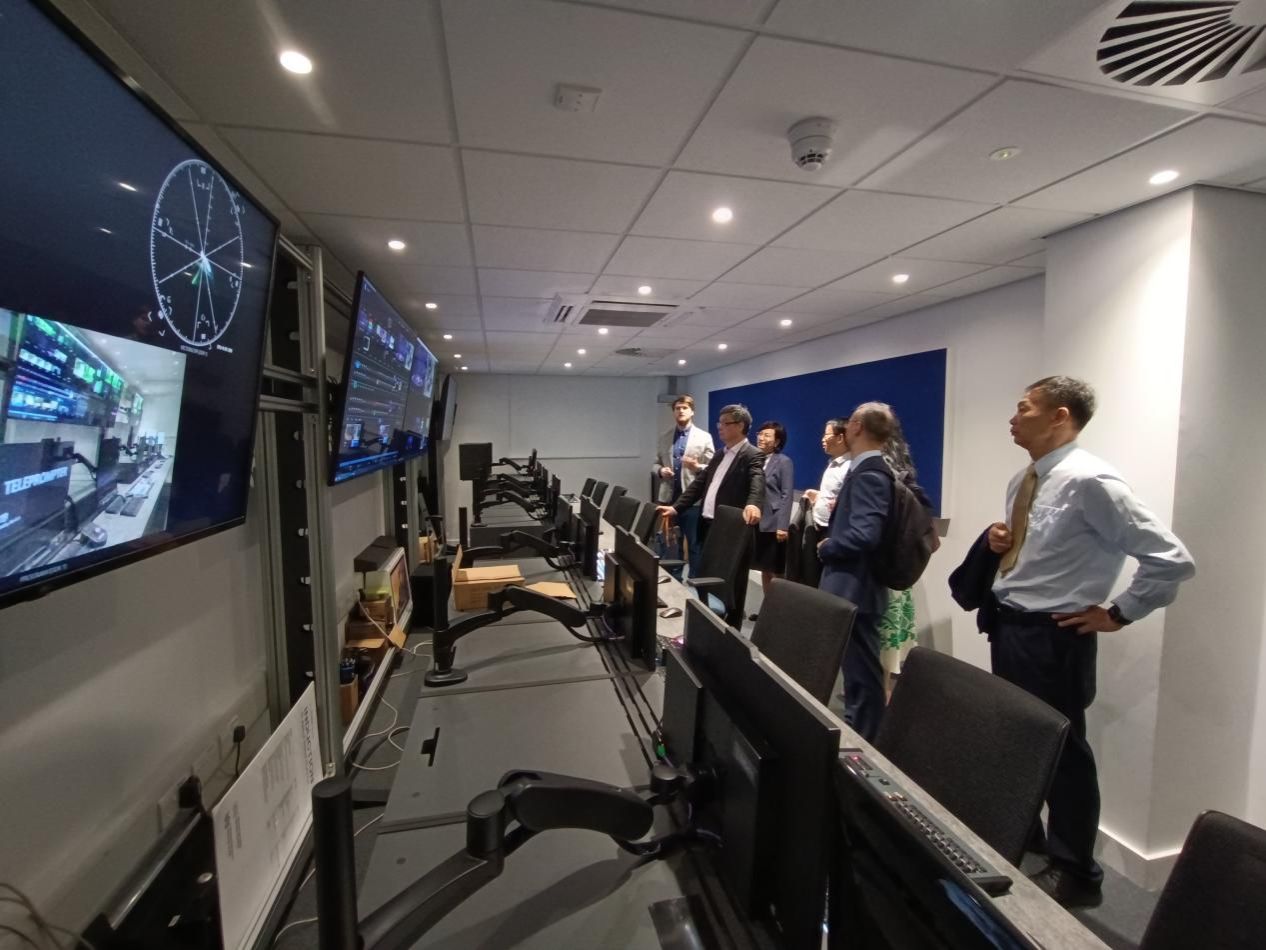
Under the coordination of the conference organizers, the delegation also visited the Faculty of Arts, Business and Social Science of the University of Wolverhampton to gain a comprehensive understanding of its achievements in education and its industry collaboration models in the fields of creative industries, digital game development, and modern design and production. The two sides also explored the feasibility of launching joint education programs in the field of Art and Technology.
III. Strengthening High-Level Inter-University Exchanges to Advance Long-Term Comprehensive Cooperation Goals
Following the meeting between the President and Vice Chancellor in Hangzhou last October, President Li Lu held another university-level meeting with Professor Ebrahim Adia, Vice Chancellor of the University of Wolverhampton, during his visit to the UK. The two sides comprehensively reviewed the achievements of their cooperation and focused on planning the long-term cooperation framework.
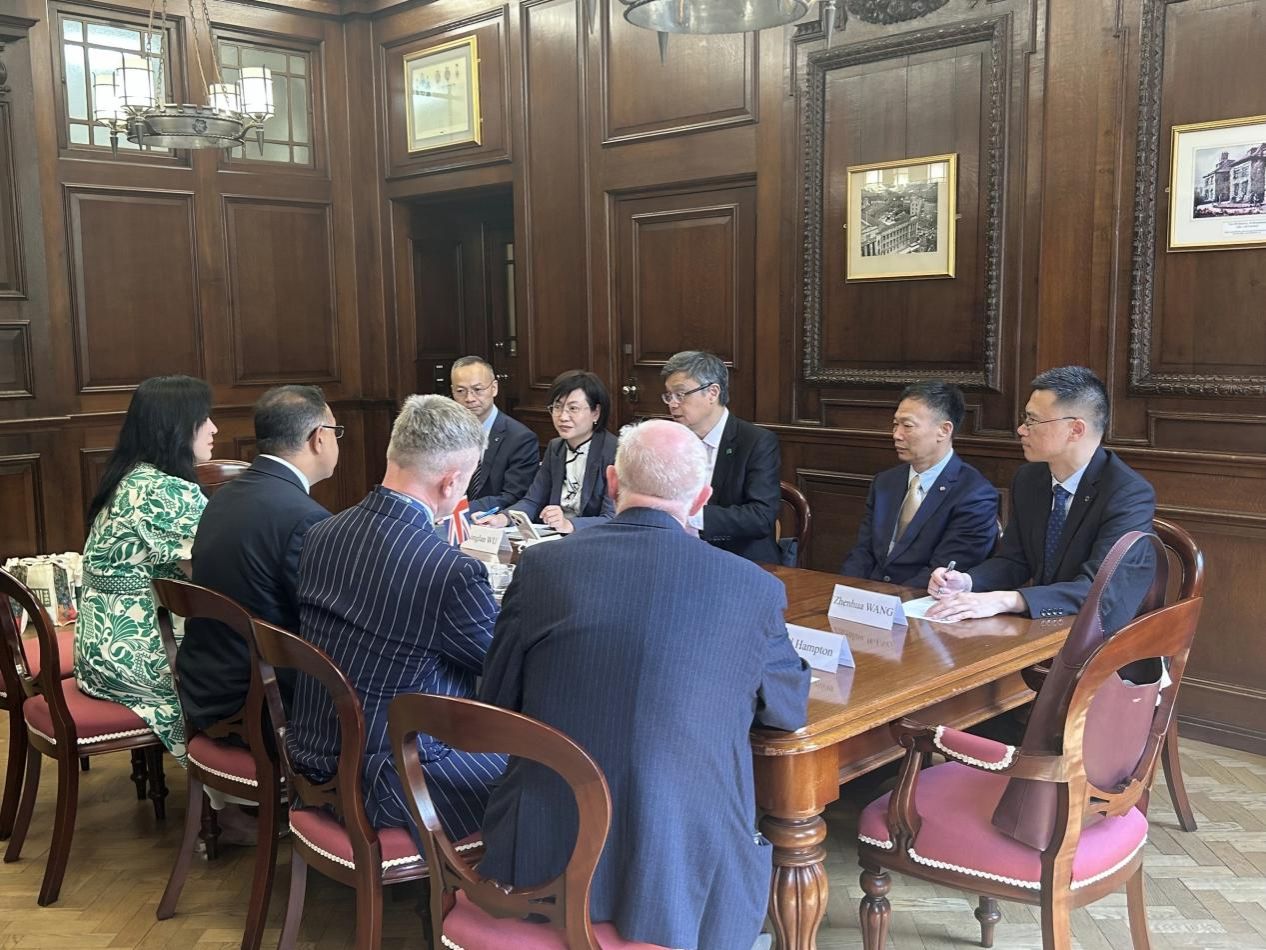
President Li Lu noted that the two universities have maintained close high-level exchanges and established a solid foundation of mutual trust. Following Vice Chancellor Ebrahim Adia’s visit to Zhejiang Shuren University last year, the joint project application submitted by the two universities was successfully approved, leading to the establishment of the first Sino-foreign cooperative education program in Property Management in China and laying a solid foundation for deeper cooperation between the two universities. The current visit to the UK represents a new starting point based on existing cooperation, with both sides committed to advancing the establishment of a Joint Education Institute and striving toward the University’s key internationalization goals under the 15th Five-Year Plan. In addition, President Li Lu put forward three proposals. First, he suggested leveraging the high-level research platform of the National Brownfield Institute at the University of Wolverhampton to connect with Zhejiang Shuren University’s strengths in disciplines such as environmental science, smart construction, and public affairs, jointly establish a distinctive interdisciplinary platform for brownfield research, and apply together for China–UK bilateral research cooperation funds. Second, he proposed expanding channels for joint cultivation of high-level talent. In addition to further expanding existing collaborative programs, the two universities could actively explore a China–UK joint PhD training program in Environmental Engineering to comprehensively enhance the level of their cooperative education. Third, he proposed exploring new opportunities for cooperation in public health and healthcare. As President Adia also serves as Vice Chair of the NHS North West Integrated Care System in the UK, the two universities’ medical and nursing disciplines have complementary resources and opportunities for mutual learning across countries. The two sides could jointly develop a 4+1 joint training program in Nursing, while advancing international accreditation of professional curricula and mutual recognition of professional qualifications, thereby creating a model for cultivating internationally oriented nursing professionals.
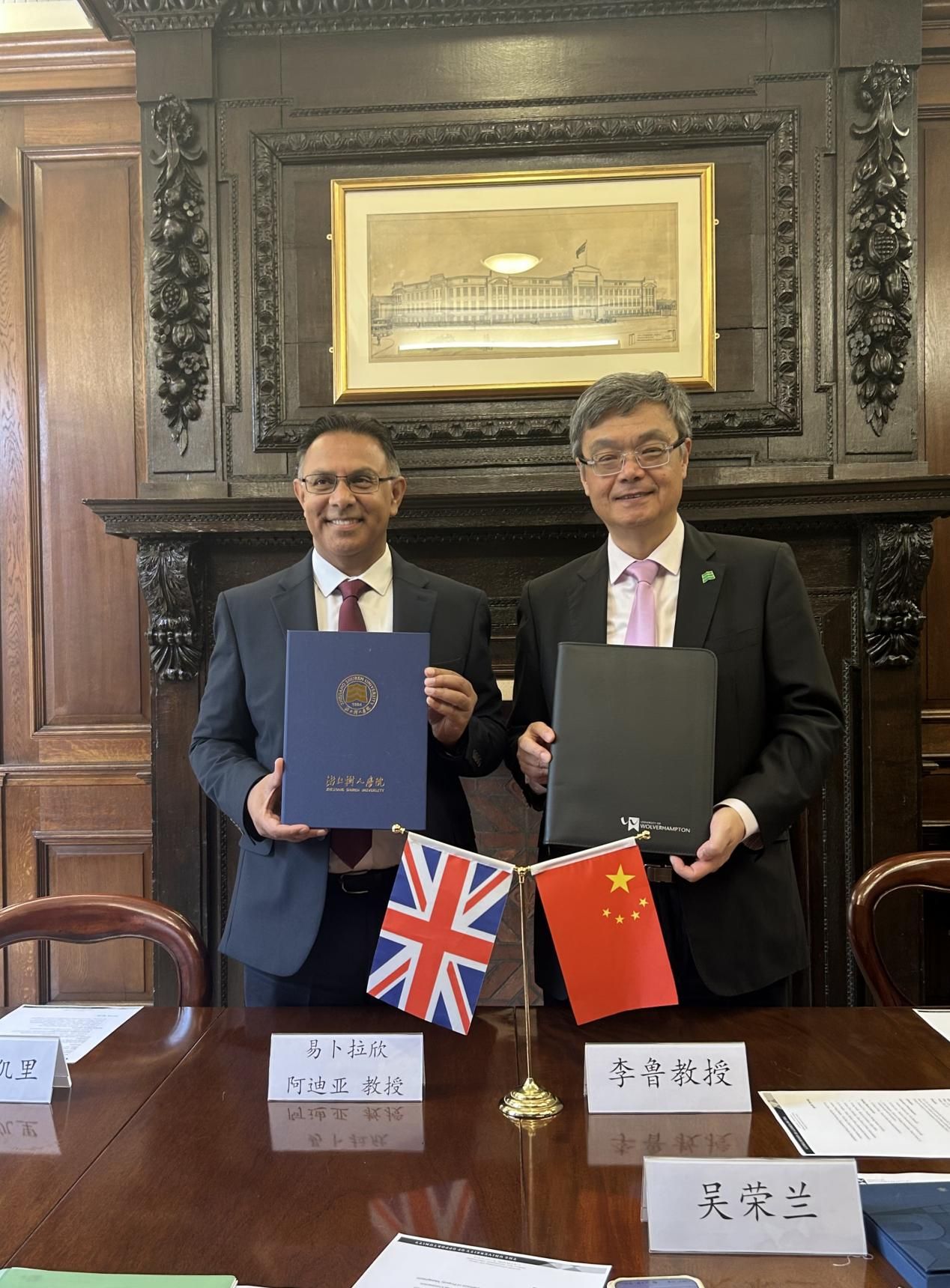
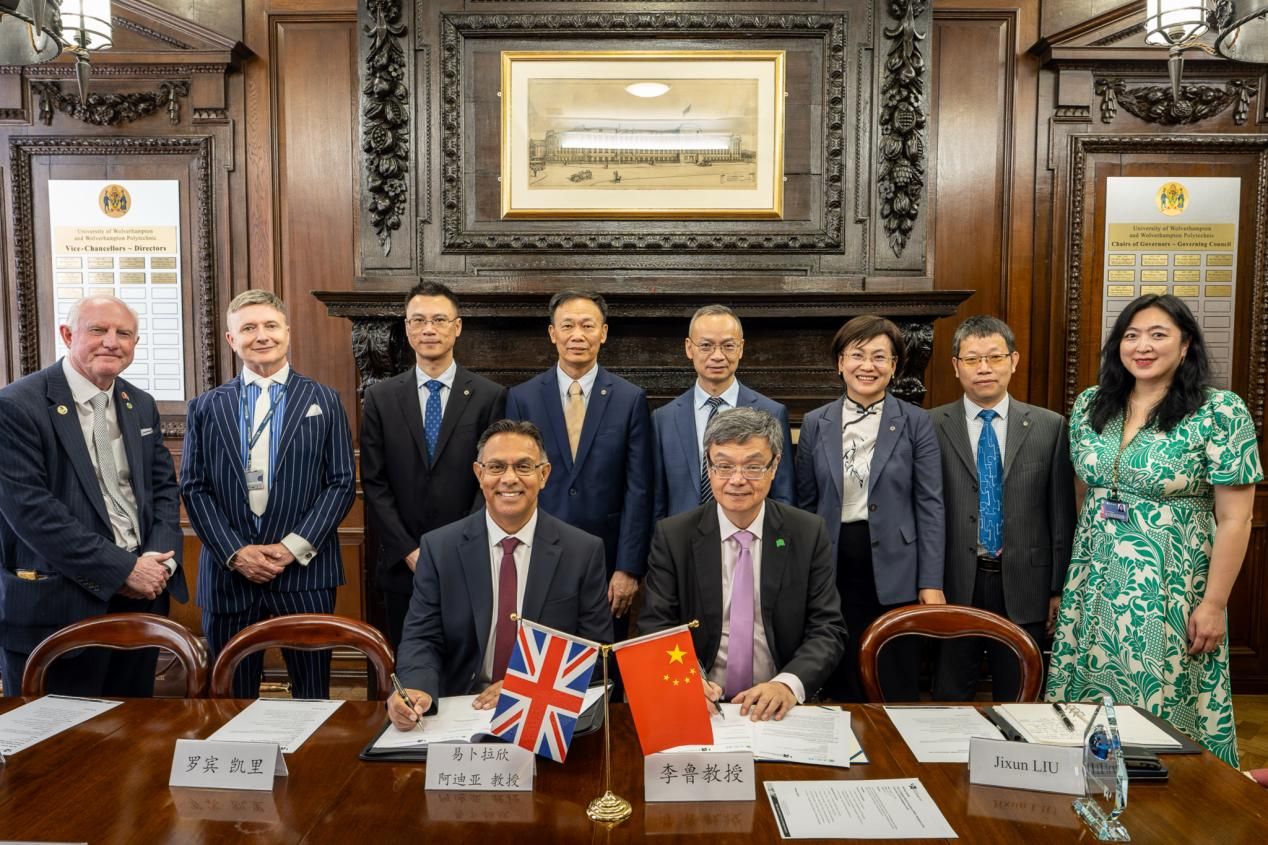
Vice Chancellor Ebrahim Adia warmly welcomed the visit of the Zhejiang Shuren University delegation. He reviewed the two-year history of cooperation between the two universities and highly commended the two sides for upholding the principles of equality, mutual benefit, and a long-term perspective in their partnership. He noted that the fruitful outcomes achieved through their existing cooperation have injected strong momentum into the high-quality development of both universities. Vice Chancellor Adia fully endorsed the proposals put forward by President Li Lu for deepening cooperation and pledged to make every effort to advance key initiatives, including the establishment of a Joint Education Institute and the development of a distinctive joint research platform for brownfield studies. The two sides engaged in in-depth discussions on key areas, including international talent cultivation, two-way exchanges between faculty and students, joint research initiatives, the development of joint programs in advantageous disciplines, and RICS international professional qualification accreditation. In a friendly and cordial atmosphere, the two universities officially signed the Memorandum of Understanding on In-Depth Partnership between the University of Wolverhampton and Zhejiang Shuren University., establishing a clear framework for future comprehensive cooperation.
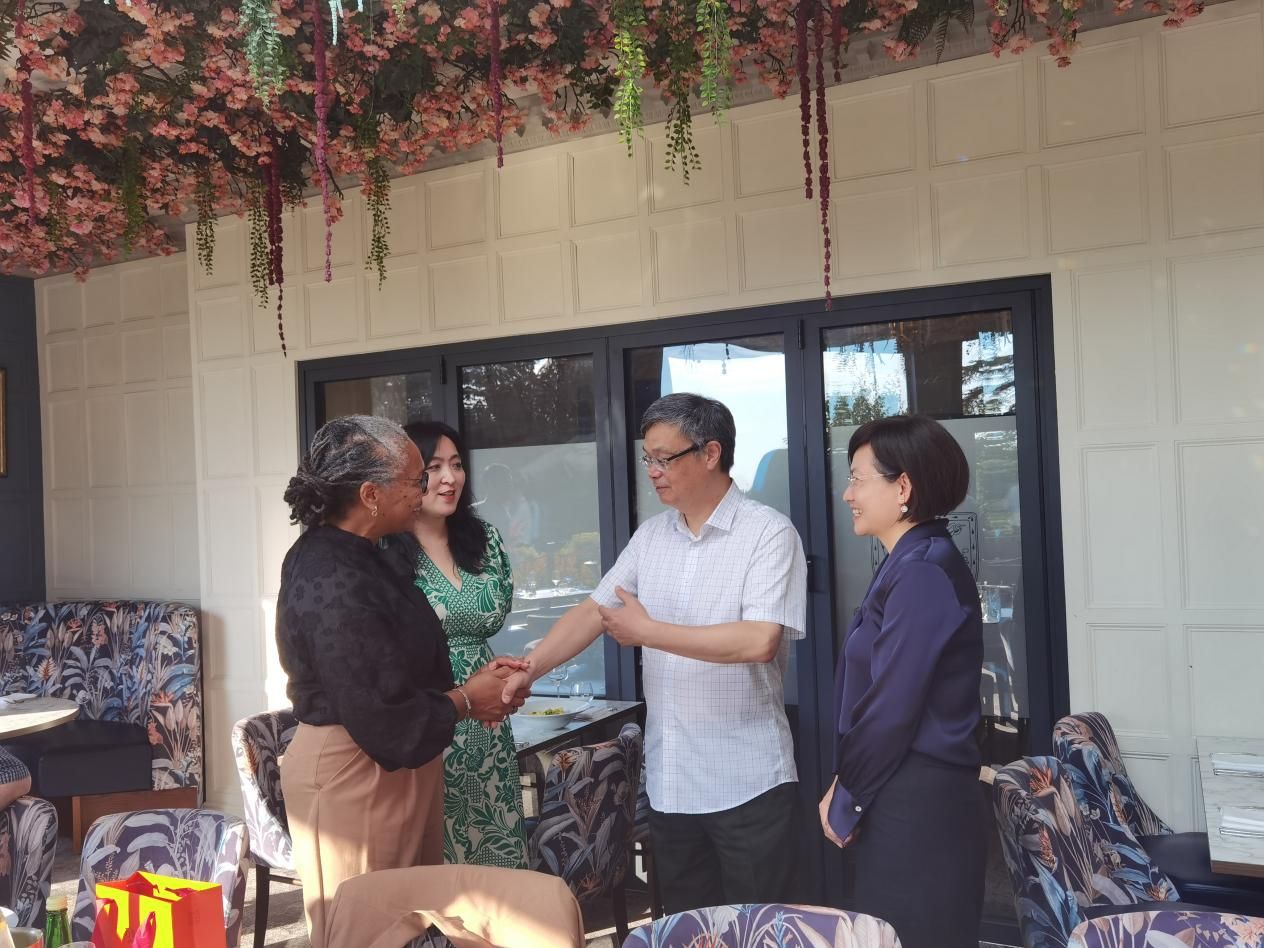
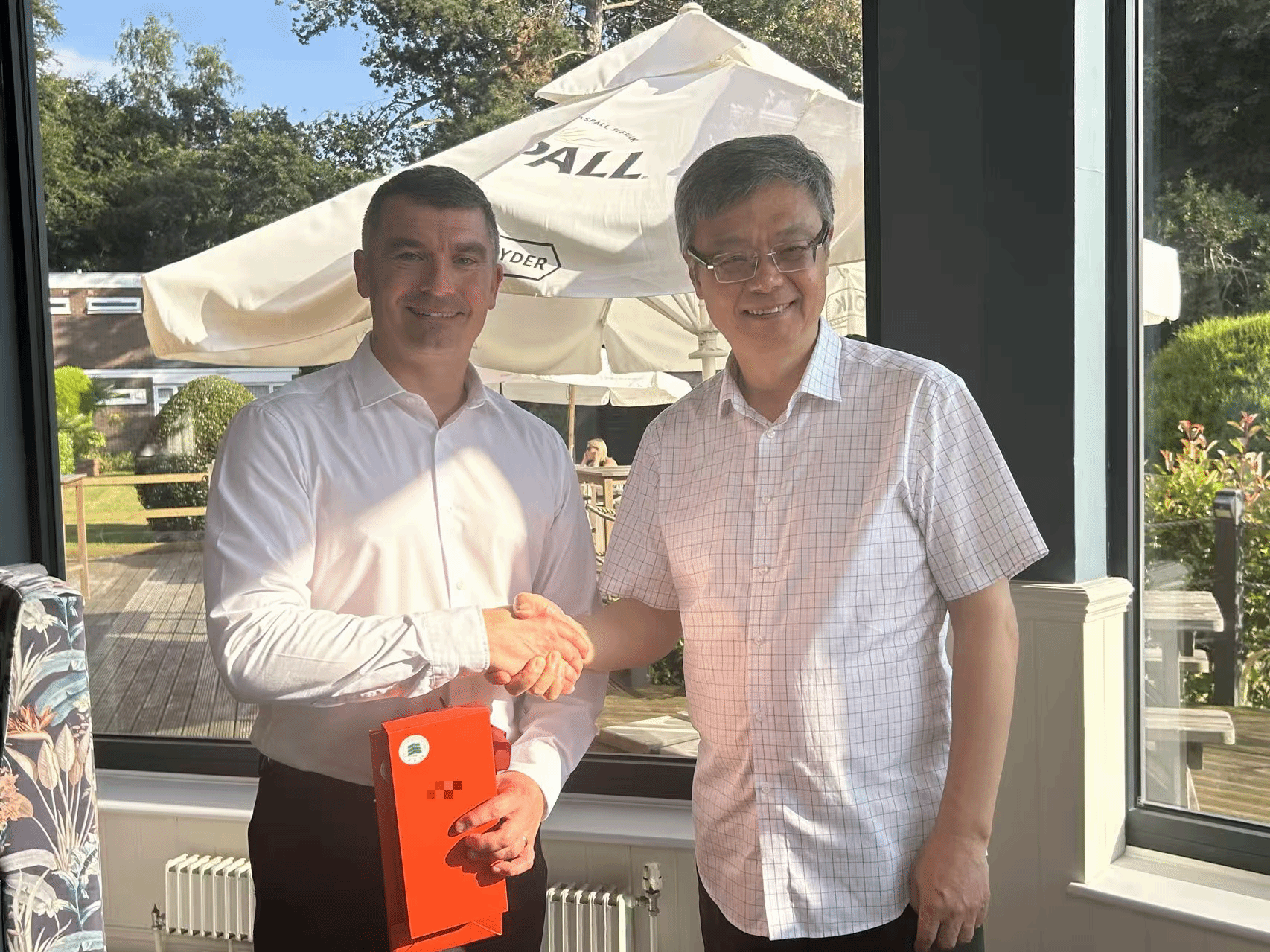
Ms. Angela Spence, Chair of the Board of Governors, and Dr. Pete Cross, Chief Operating Officer of the University, attended the farewell dinner in person. During the dinner, Chair Spence spoke highly of the fruitful outcomes achieved through the two universities’ previous cooperation and expressed her full support for the continued expansion and deepening of multi-level exchanges and collaboration between the two sides. President Li Lu invited Chair Spence and COO Cross to attend the University’s upcoming opening ceremony for new students. Chair Spence readily agreed and looks forward to leading a delegation to visit Zhejiang Shuren University this coming September.
Conclusion
This academic exchange visit to the UK represents a key step for the two universities in implementing the consensus reached through high-level mutual visits and accelerating the high-quality development of Sino-foreign cooperative education. During the visit, the delegation established a regular bridge for interdisciplinary academic exchanges between China and the UK, benchmarked against the advanced practices of leading overseas universities in industry–education integration, interdisciplinary research, and international talent cultivation, and reached a series of practical and actionable cooperation agreements. The signing of the Memorandum of Understanding on In-Depth Partnership between the University of Wolverhampton and Zhejiang Shuren University. served as an important milestone, outlining a clear roadmap for the coordinated development of the two sides in the coming period.
Moving forward, the University will consolidate the achievements of the first Sino-foreign cooperative education program in Property Management in China, continue expanding Sino-foreign cooperative education programs in more areas and at multiple levels, and focus efforts on laying a solid foundation for jointly applying to establish a Joint Education Institute during the 15th Five-Year Plan period. The University will also steadily advance key initiatives, including the establishment of a distinctive joint research platform for brownfield studies, integrated international talent cultivation across undergraduate, master’s, and doctoral levels, and regular cross-border academic seminars, thereby continuously broadening the scope of practical cooperation between China and the UK in higher education.