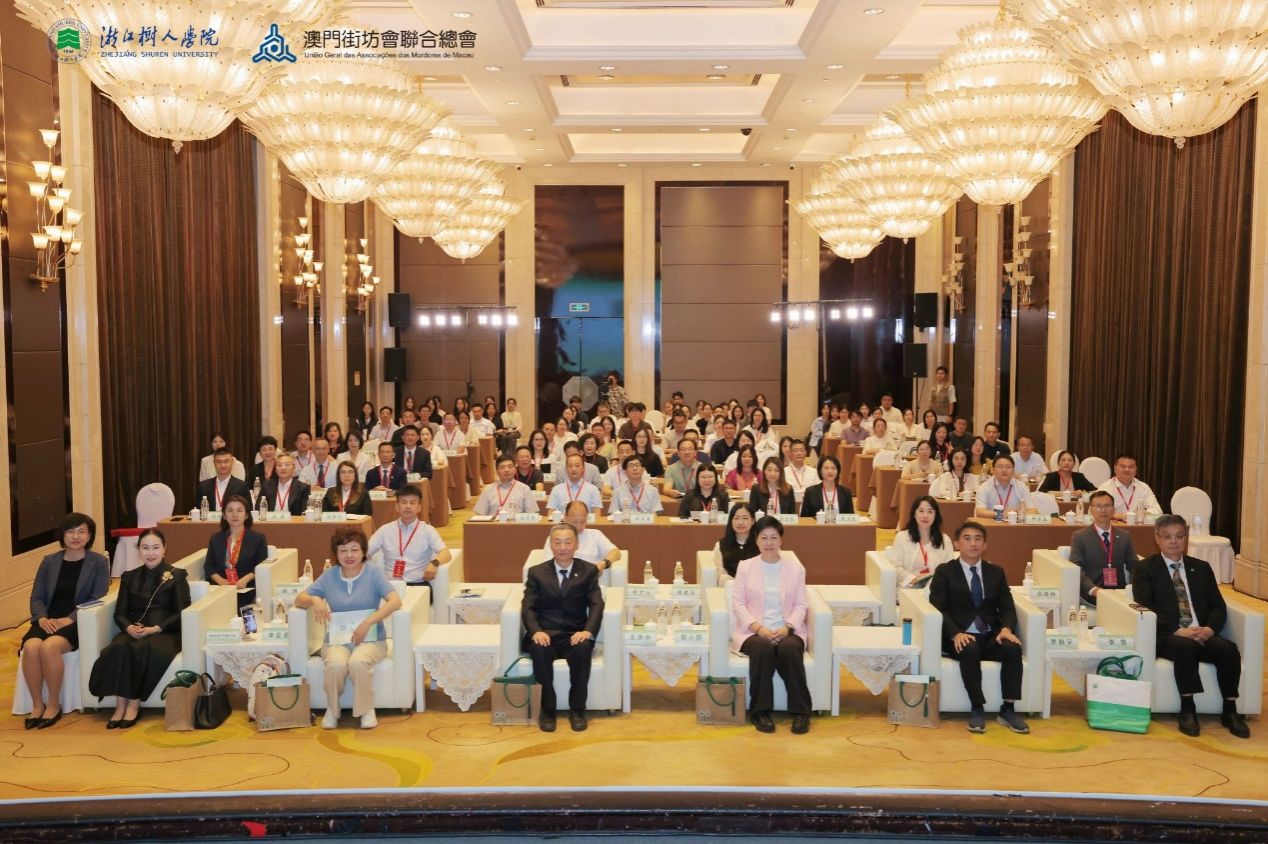
From June 10 to 13, the 2026 Zhejiang-Macao Academic Symposium on the Modernization of Family Services and Community Governance, co-hosted by Zhejiang Shuren University and the General Union of Neighbourhood Associations of Macao, was held in Hangzhou. Government representatives, university scholars, industry experts and frontline community workers from Thailand, Macao and 15 provinces and municipalities across China gathered together to have in-depth discussions on family services, community innovation, livelihood support and related topics. The conference served as a cooperation platform for social service professionals from multiple countries and regions.
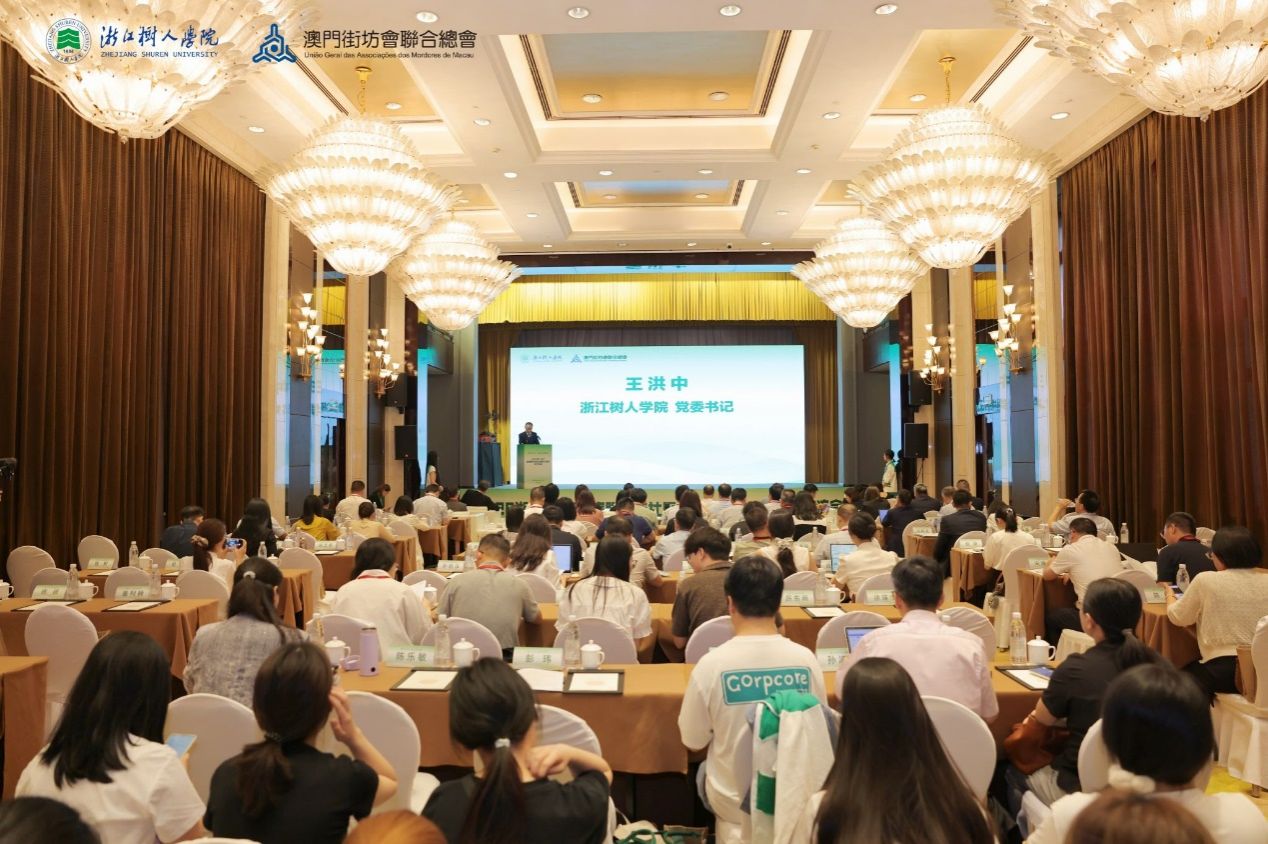
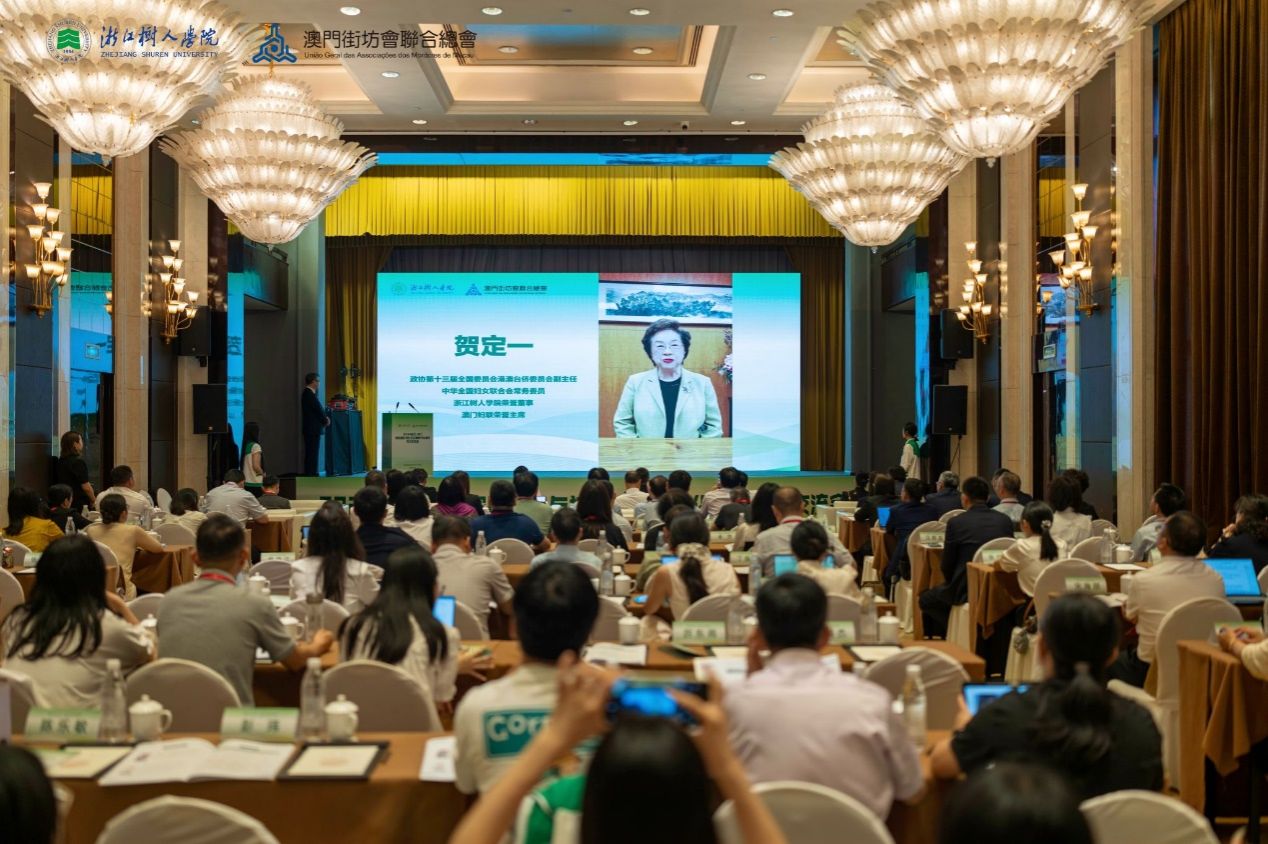
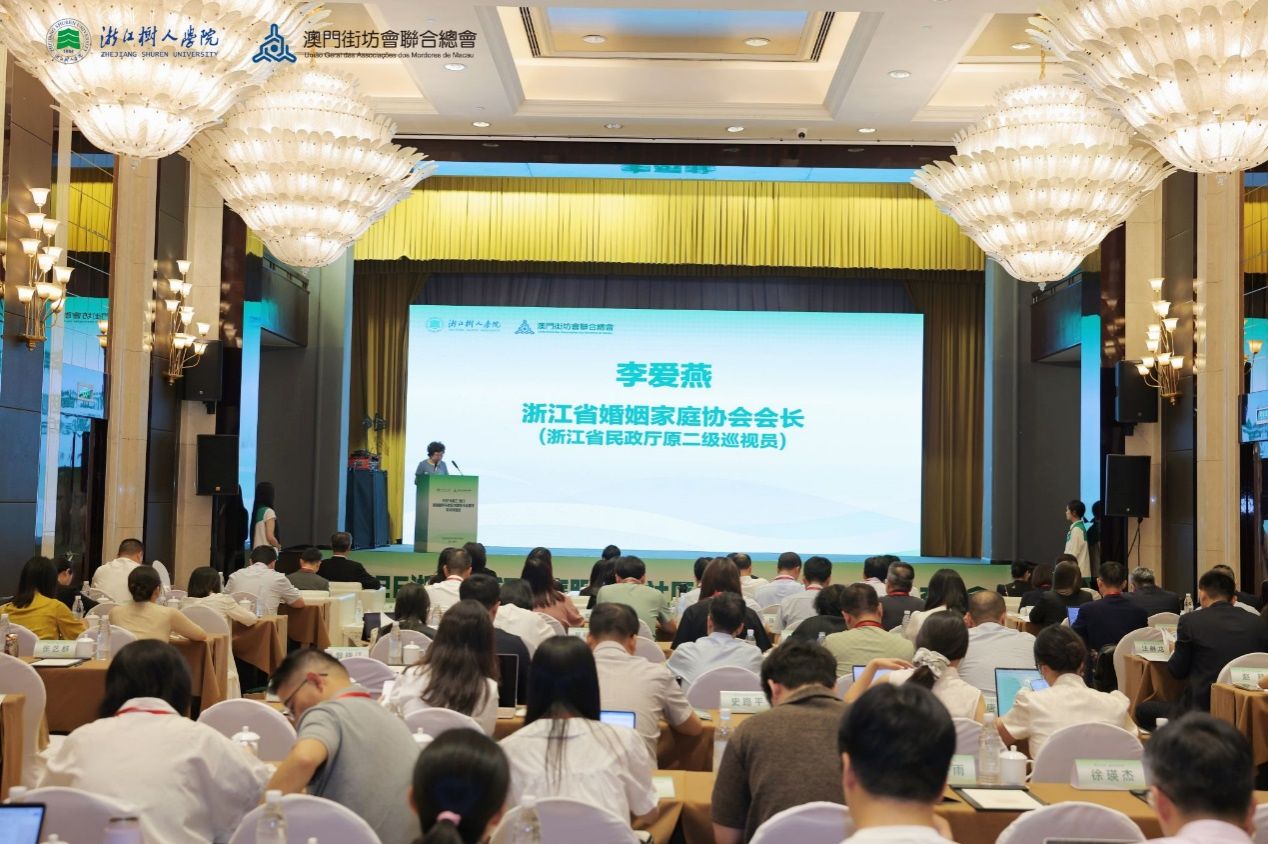
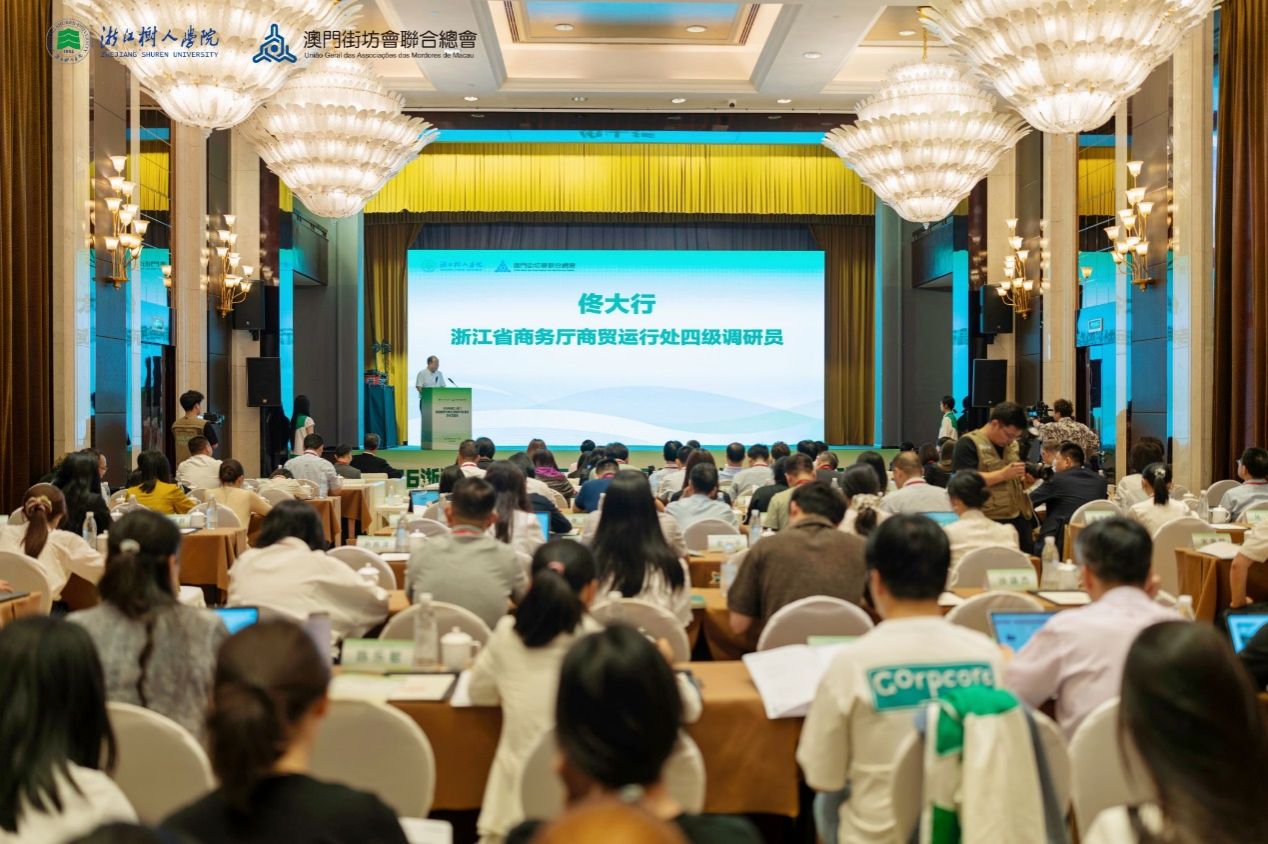
At the opening ceremony, Wang Hongzhong, Secretary of the Party Committee of our university, delivered a welcome address, introducing the university's distinctive strengths in home economics, social work, and medical and elderly care services. He called for the establishment of a long-term cooperation mechanism between Zhejiang and Macao, leveraging digital empowerment to upgrade services and promote the modernization of grassroots governance. Ho Teng Iat, Vice Chairperson of the Committee for Liaison with Hong Kong, Macao, Taiwan and Overseas Chinese of the National Committee of the Chinese People’s Political Consultative Conference, shared Macao's experience in building a full-life-cycle livelihood service system through community organizations via video. She expressed her expectation for deepening mutual learning and exchange between Zhejiang and Macao. Li Aiyan, President of the Zhejiang Marriage and Family Association, and Tong Daxing, a Level-IV Division Rank Official of the Zhejiang Provincial Department of Commerce, were invited to attend the symposium and deliver remarks.
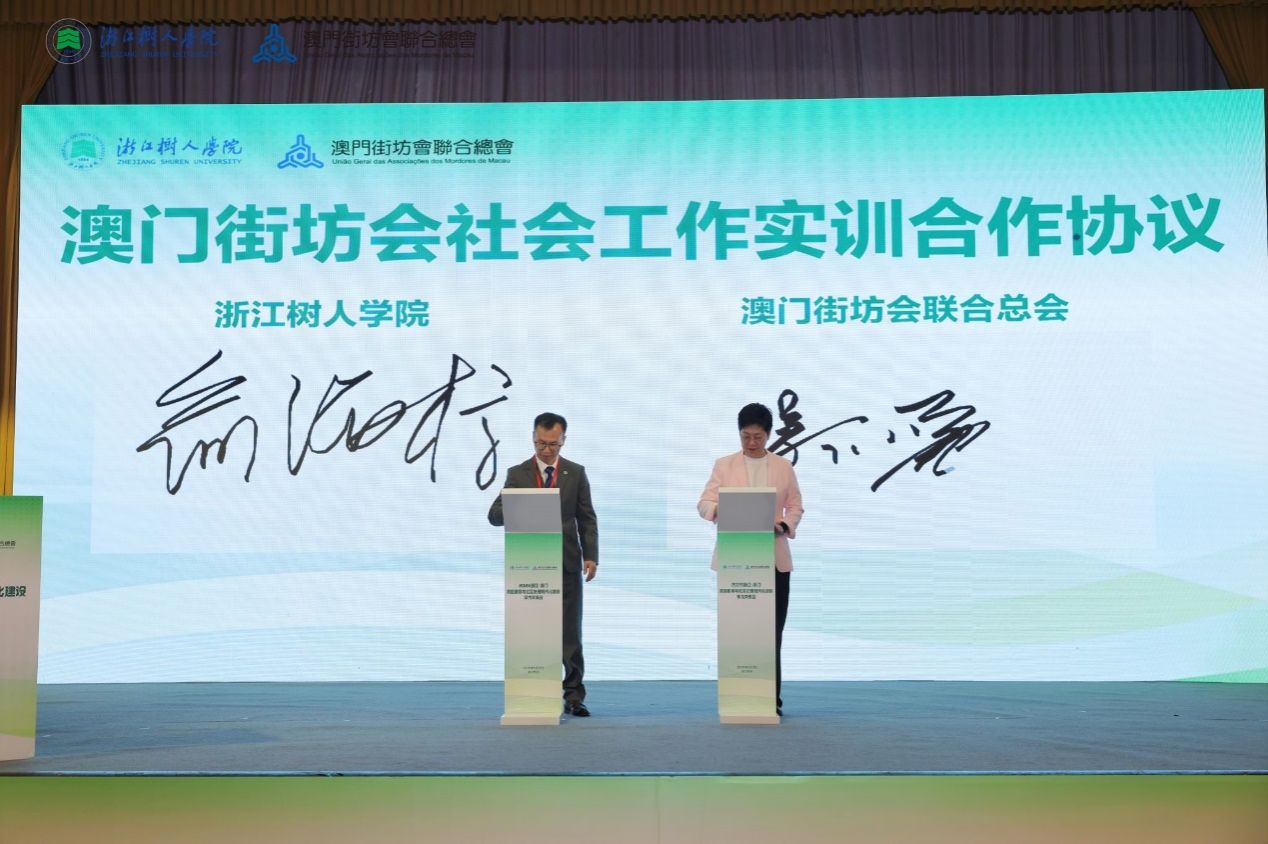
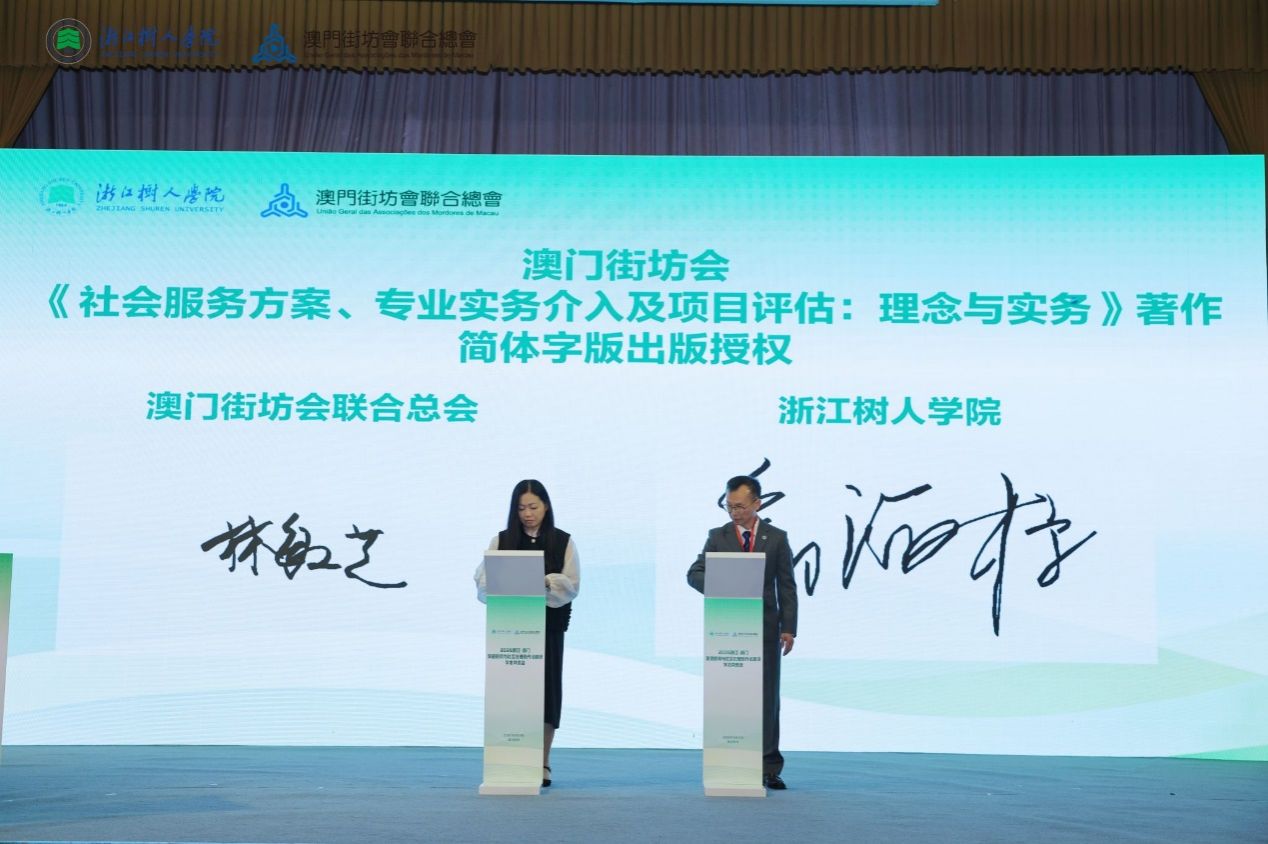
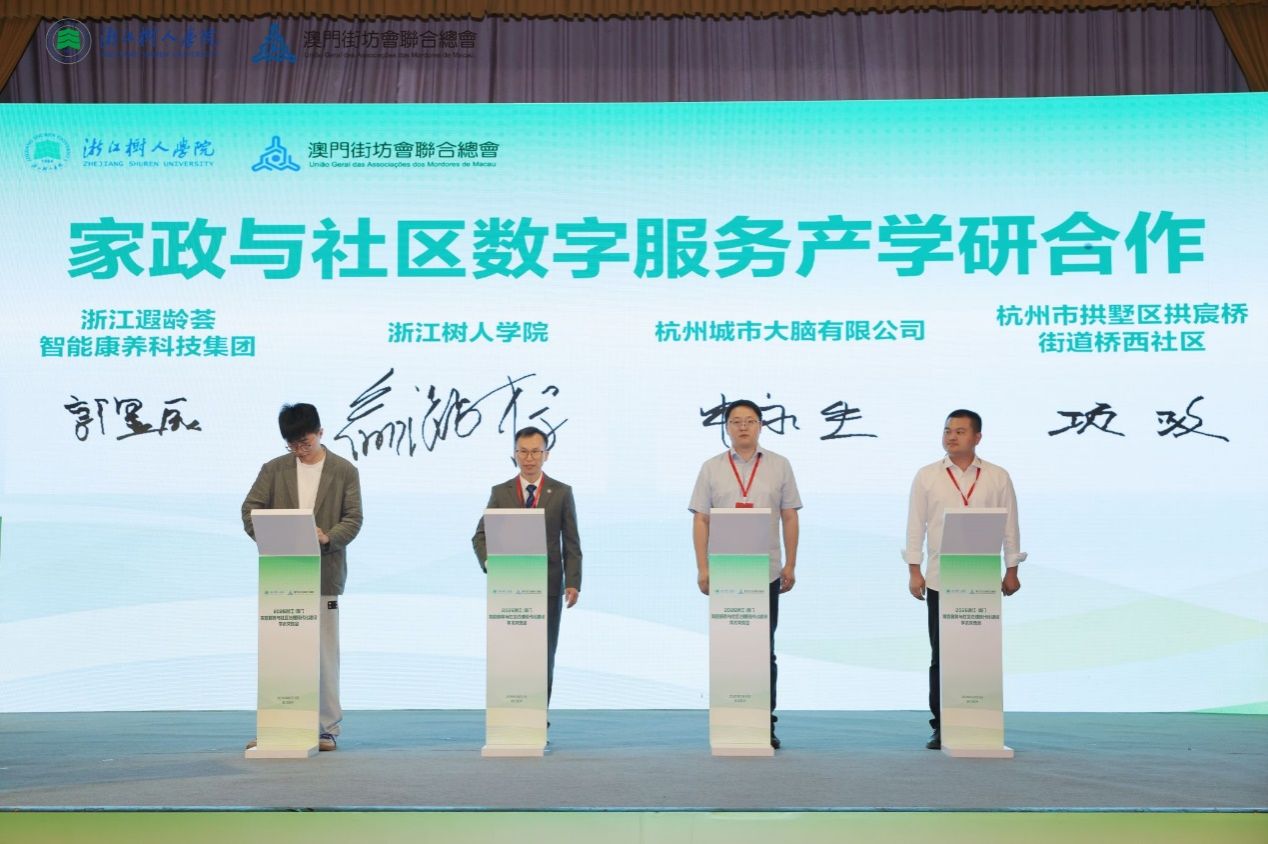
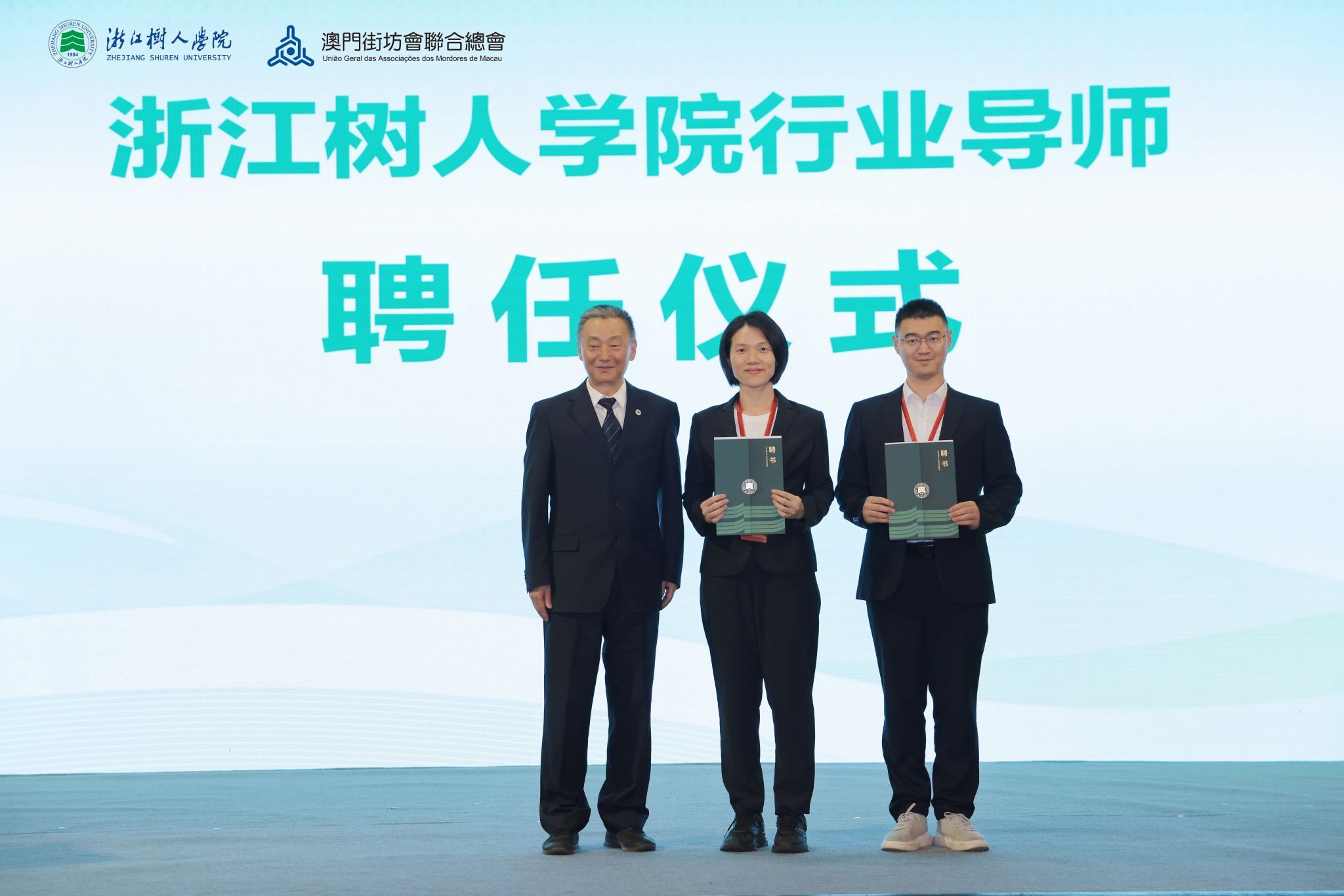
During the symposium, three signing ceremonies were held for the cooperation on practical training of social work with the General Union of Neighbourhood Associations of Macao, the publication authorization of the book Social Service Programs, and the industry-university-research cooperation on the digital services for home economics and communities. Additionally, a ceremony was also held to appoint industry mentors. These initiatives marked substantive progress in talent cultivation, dissemination of research outcomes and digital empowerment.
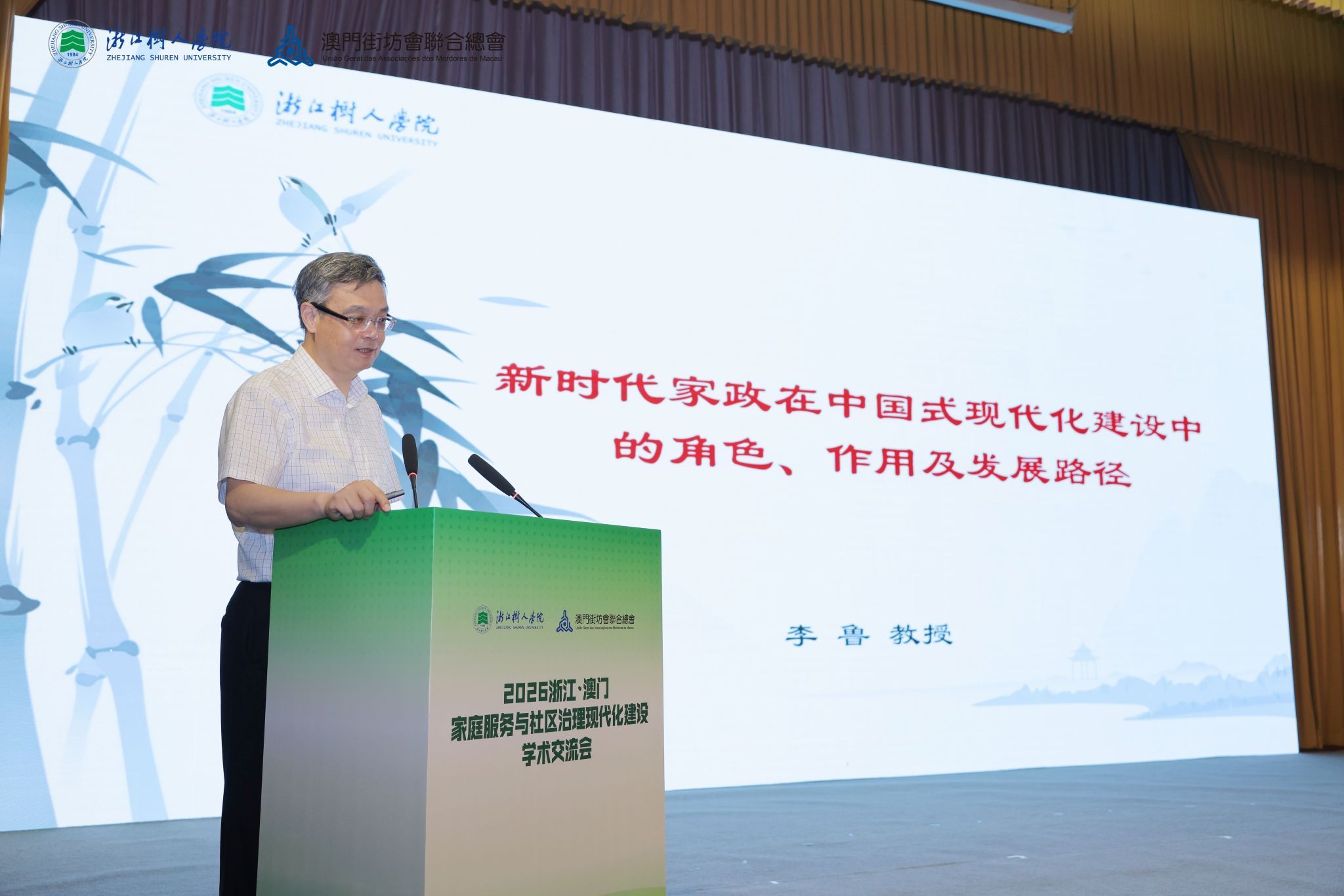
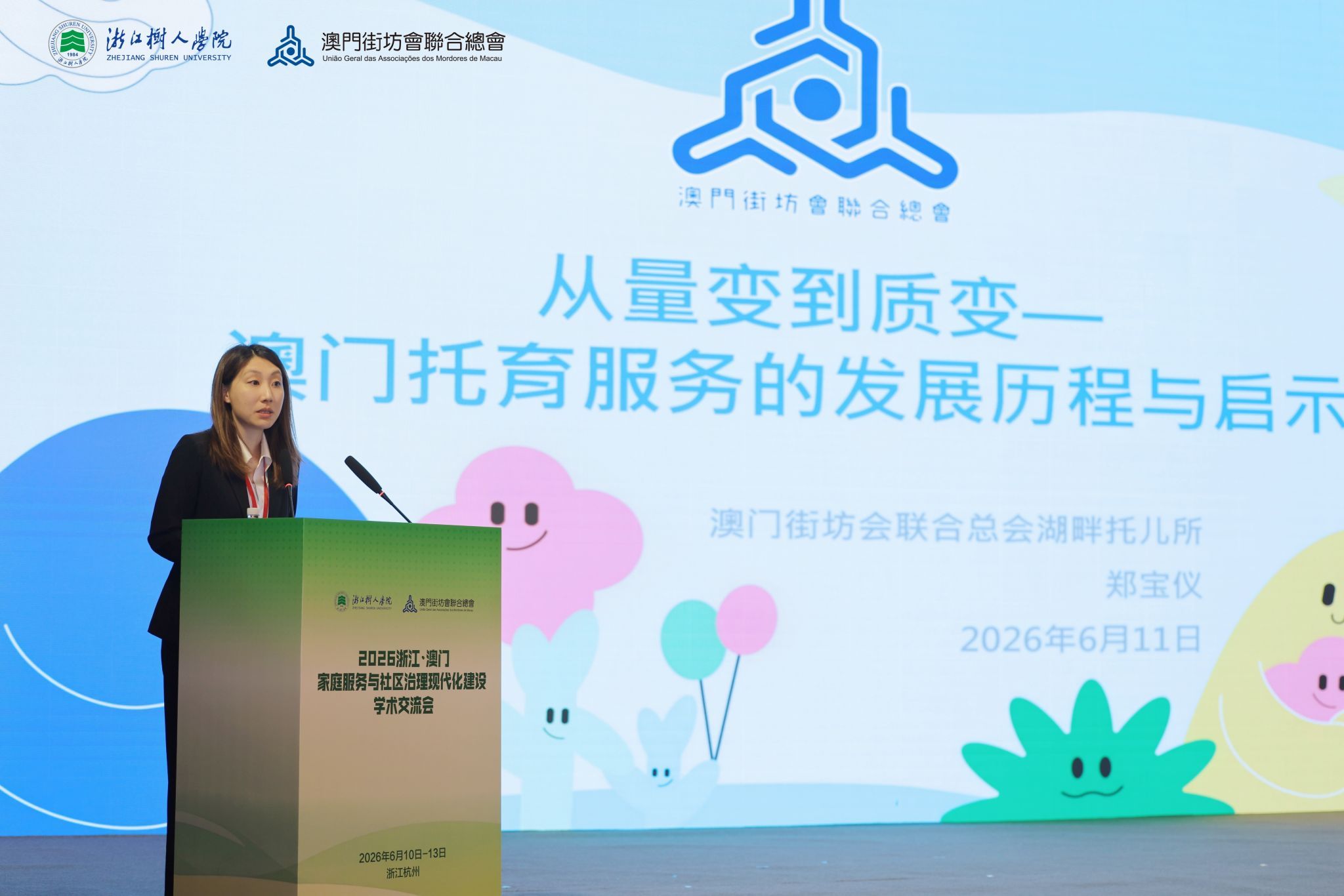
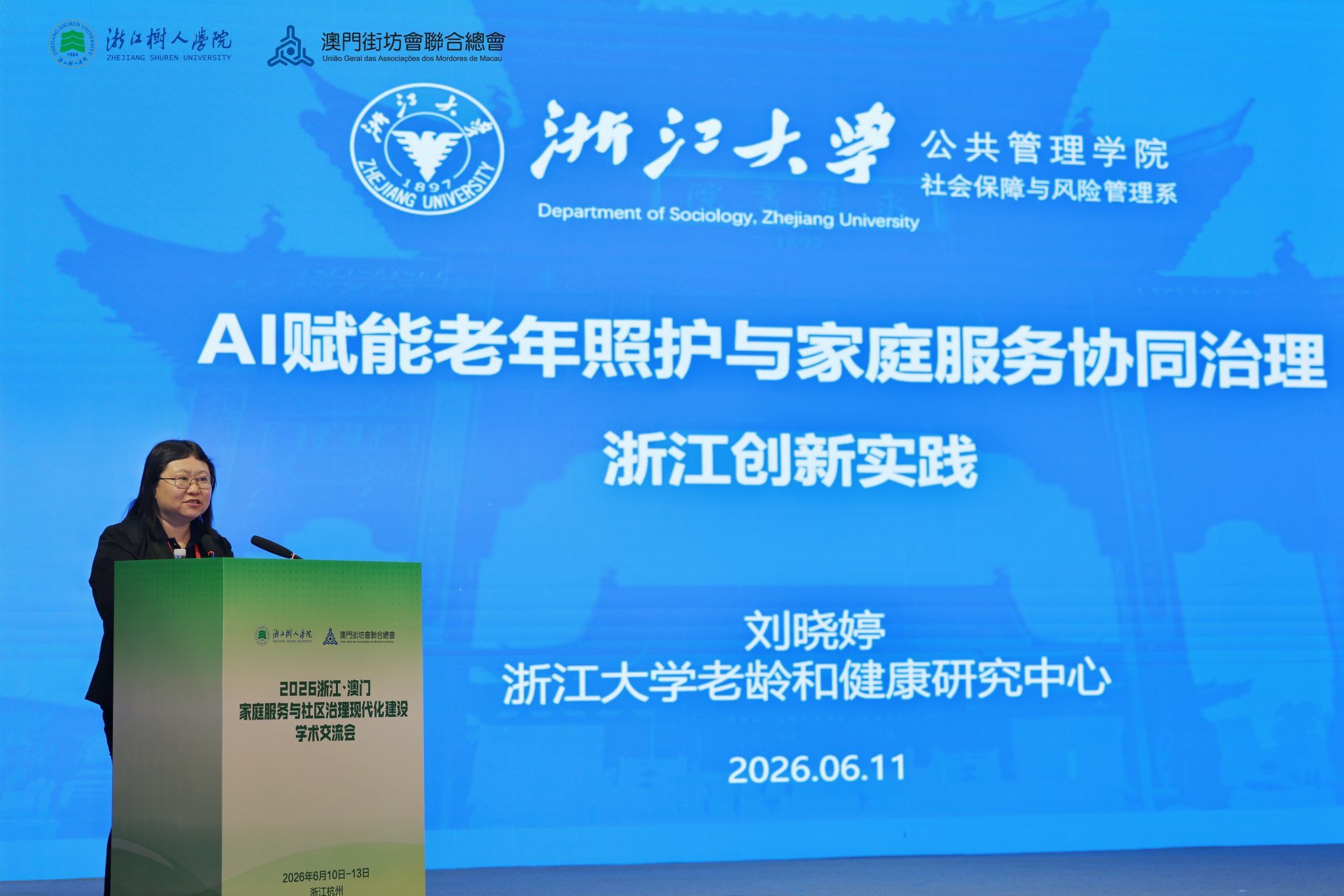
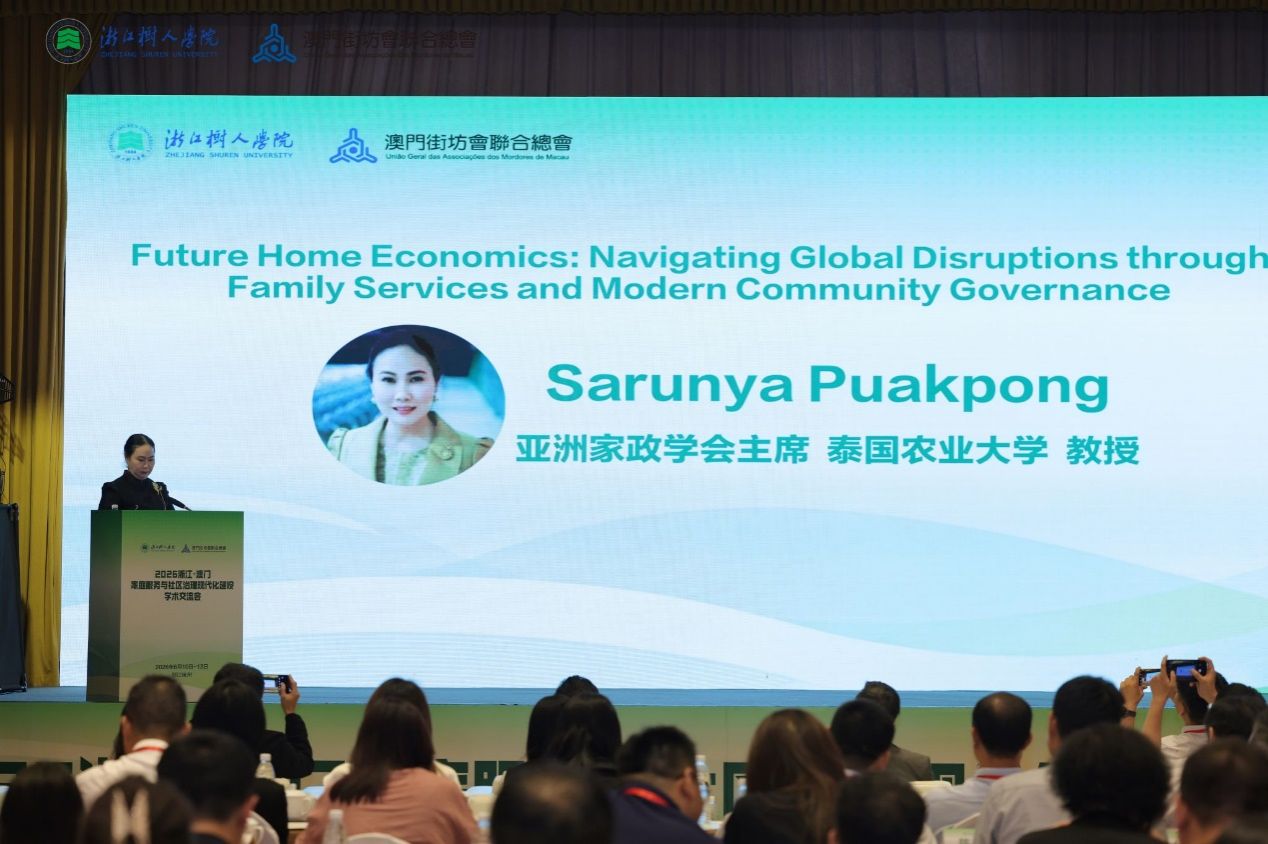
During the keynote session, President Li Lu analyzed the pivotal role of the home services industry in Chinese modernization and proposed building a home economics discipline with Chinese characteristics through cooperation between Zhejiang and Macao. Zheng Baoyi from the General Union of Neighbourhood Associations of Macao shared fifteen years of experience in the development of childcare services. Liu Xiaoting from Zhejiang University presented Zhejiang’s practices in AI-empowered elderly care. Sarunya Puakpong from Kasetsart University in Thailand proposed a framework for “future home economics”, advocating the integration of traditional wisdom and digital innovation to address global challenges.
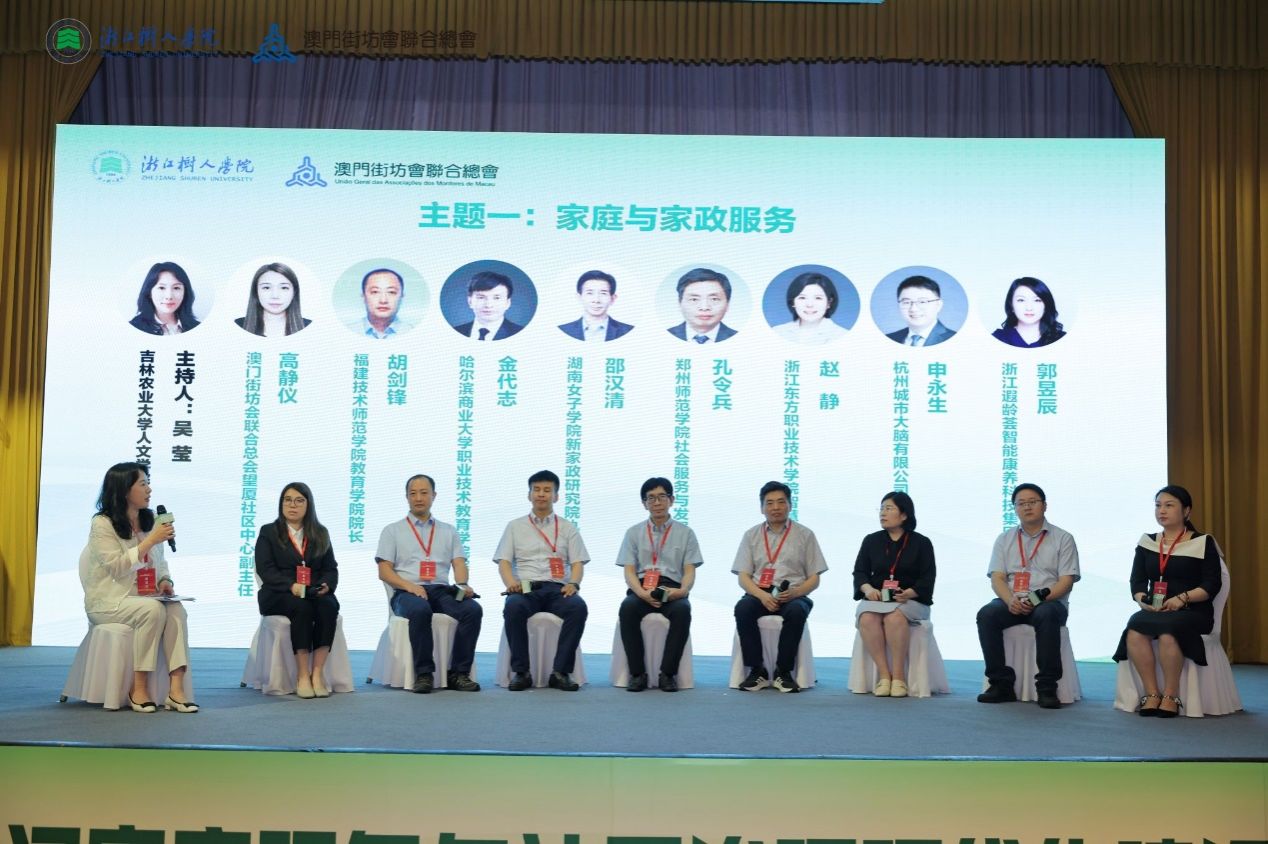
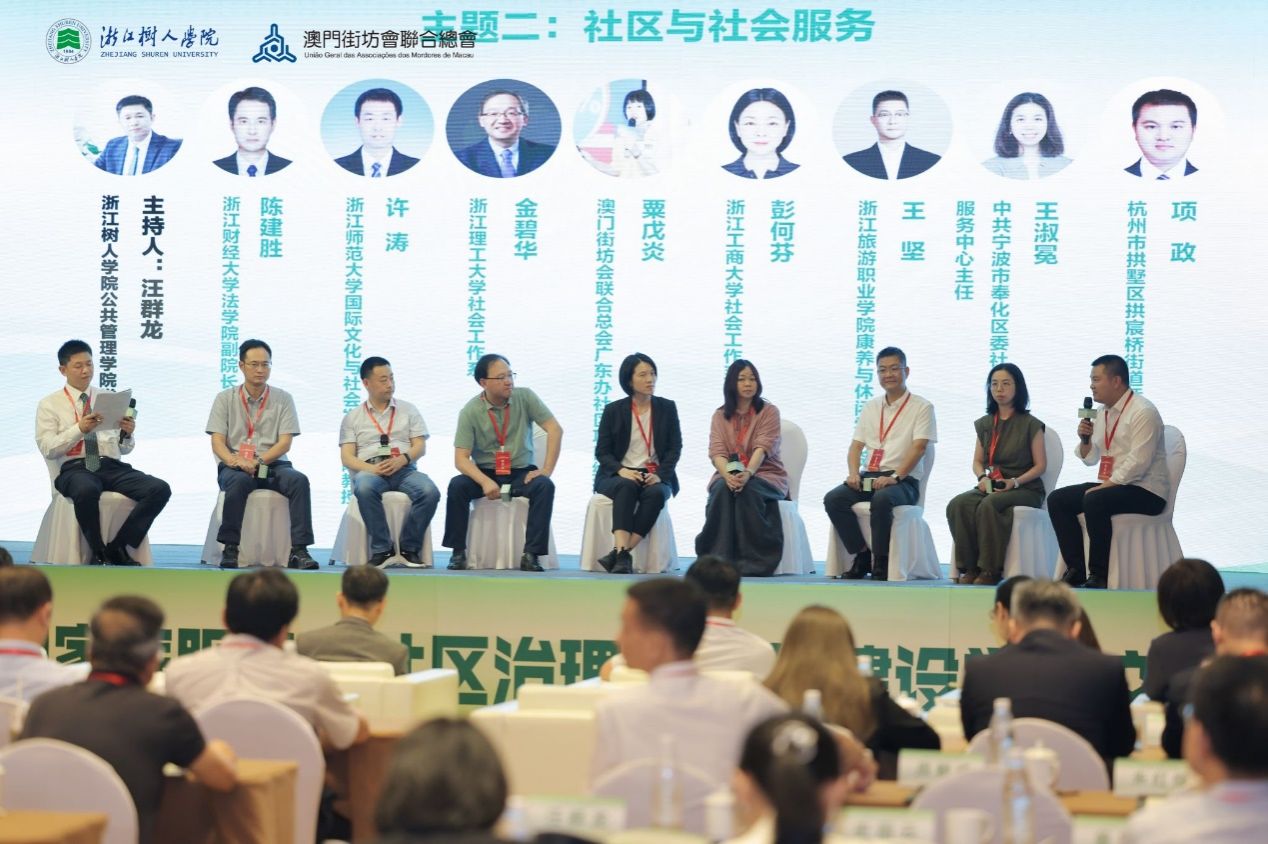
Two roundtable forums focused respectively on family services and community services. Attendees held in-depth discussions on topics including the development of home economics as a discipline, service standardization, the operation of digital platforms, the social integration of foreign residents, the integration of social work and volunteer services, and community-based elderly care. The discussions covered theoretical, policy, technological and practical perspectives, yielding many constructive consensus points.
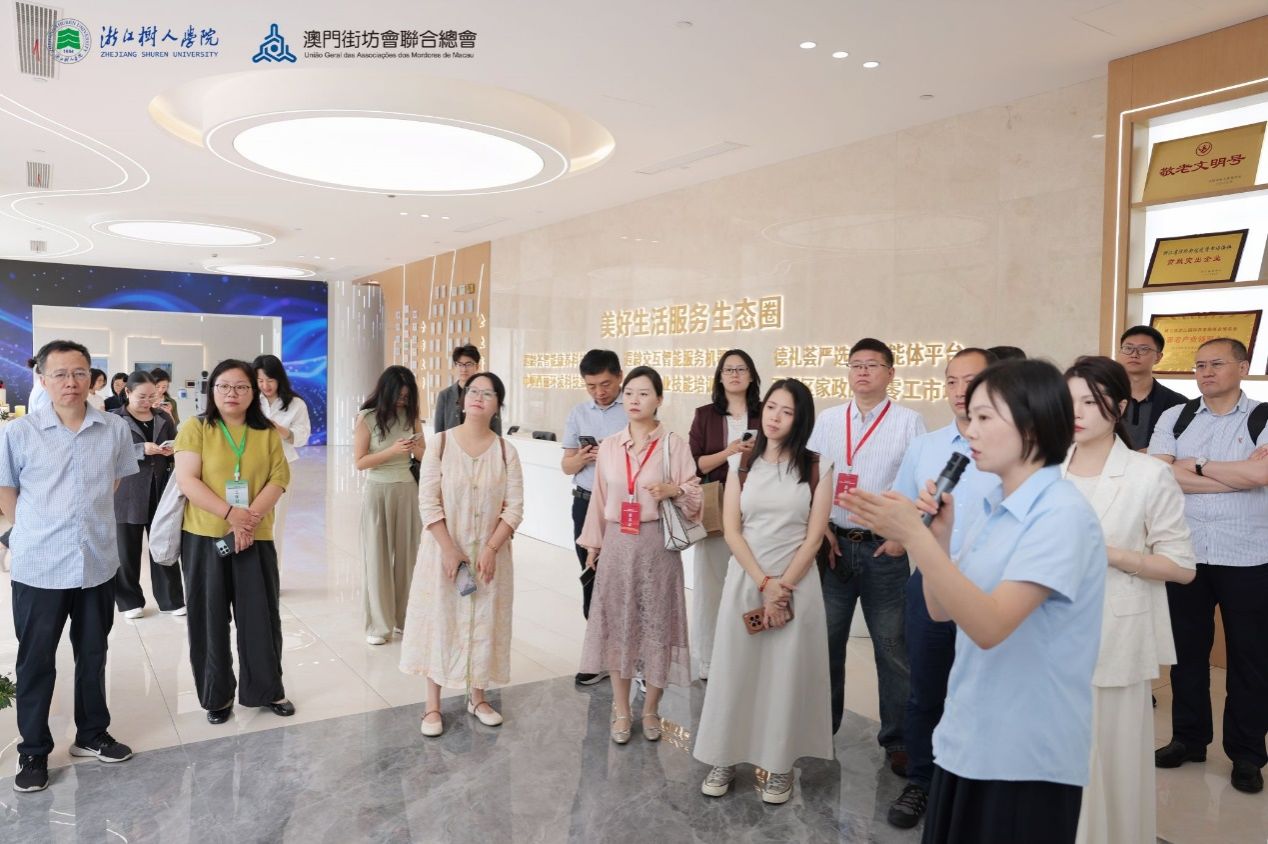
On June 12, the representatives of attendees visited Hangzhou City Brain, Xialinghui Health and Elderly Care Group, Qiaoxi Community and the university’s Yangxunqiao Campus. Through field visits, they gained deeper insights into innovative practices in urban governance and community services empowered by digital technologies, and exchanged views on university-enterprise-government cooperation, talent cultivation and the transformation of research outcomes.
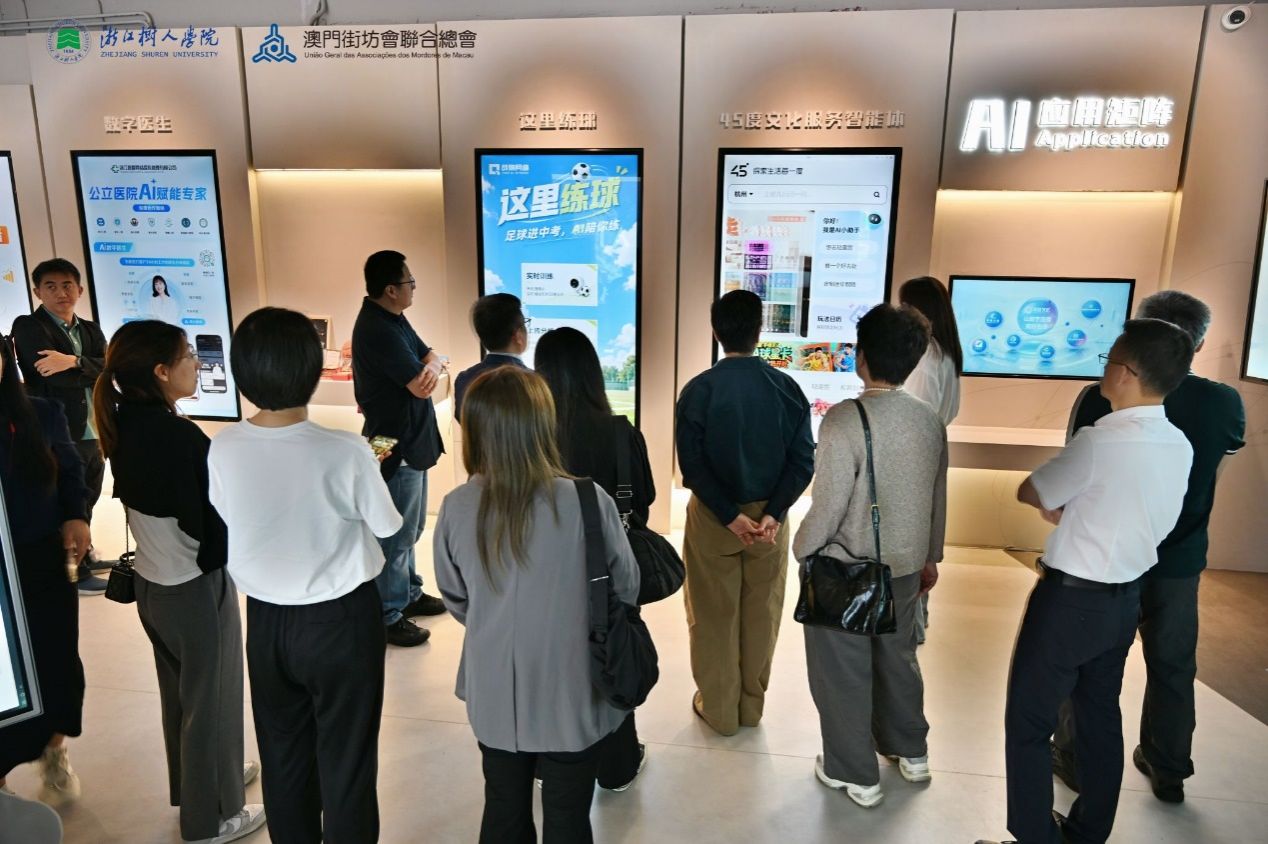
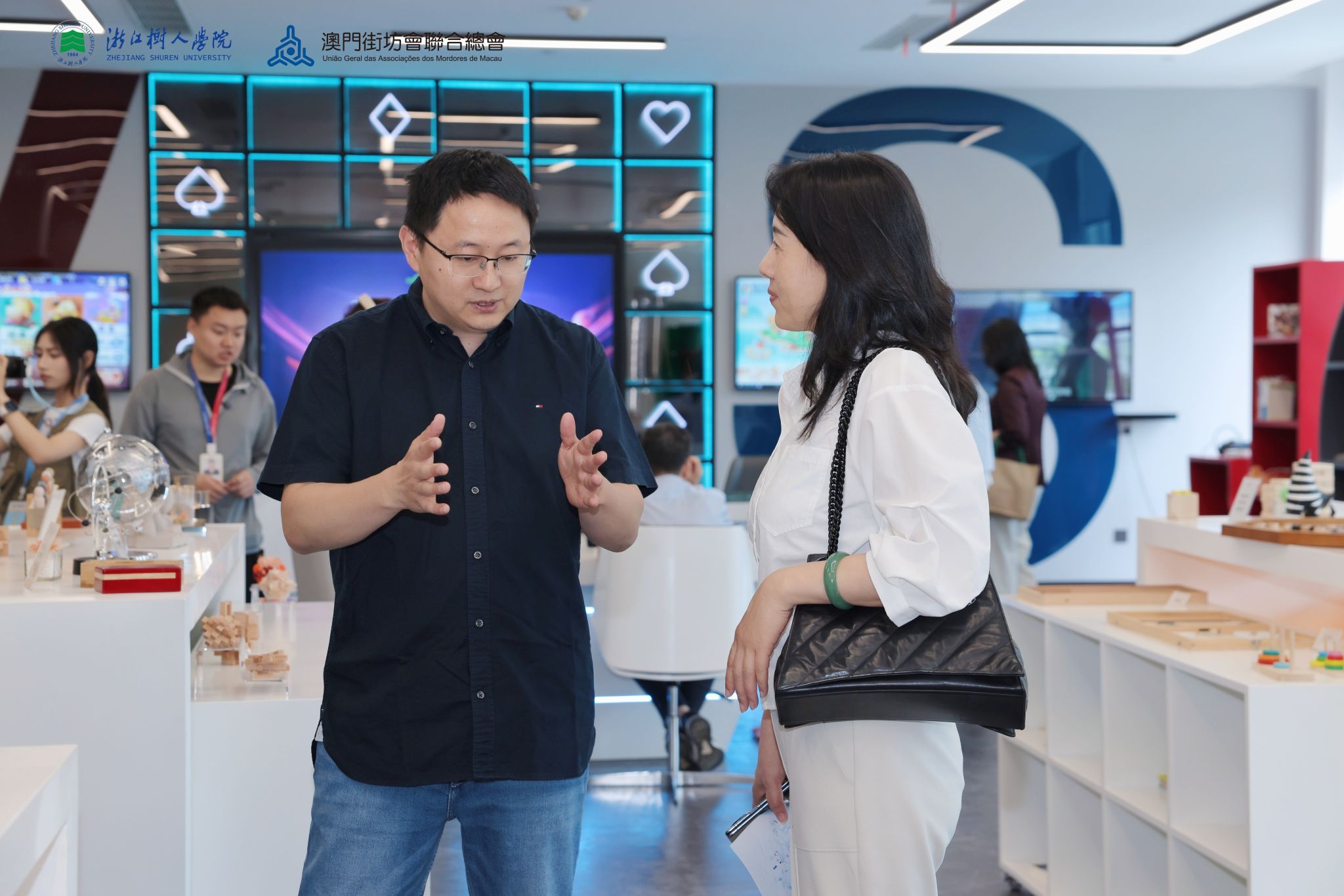
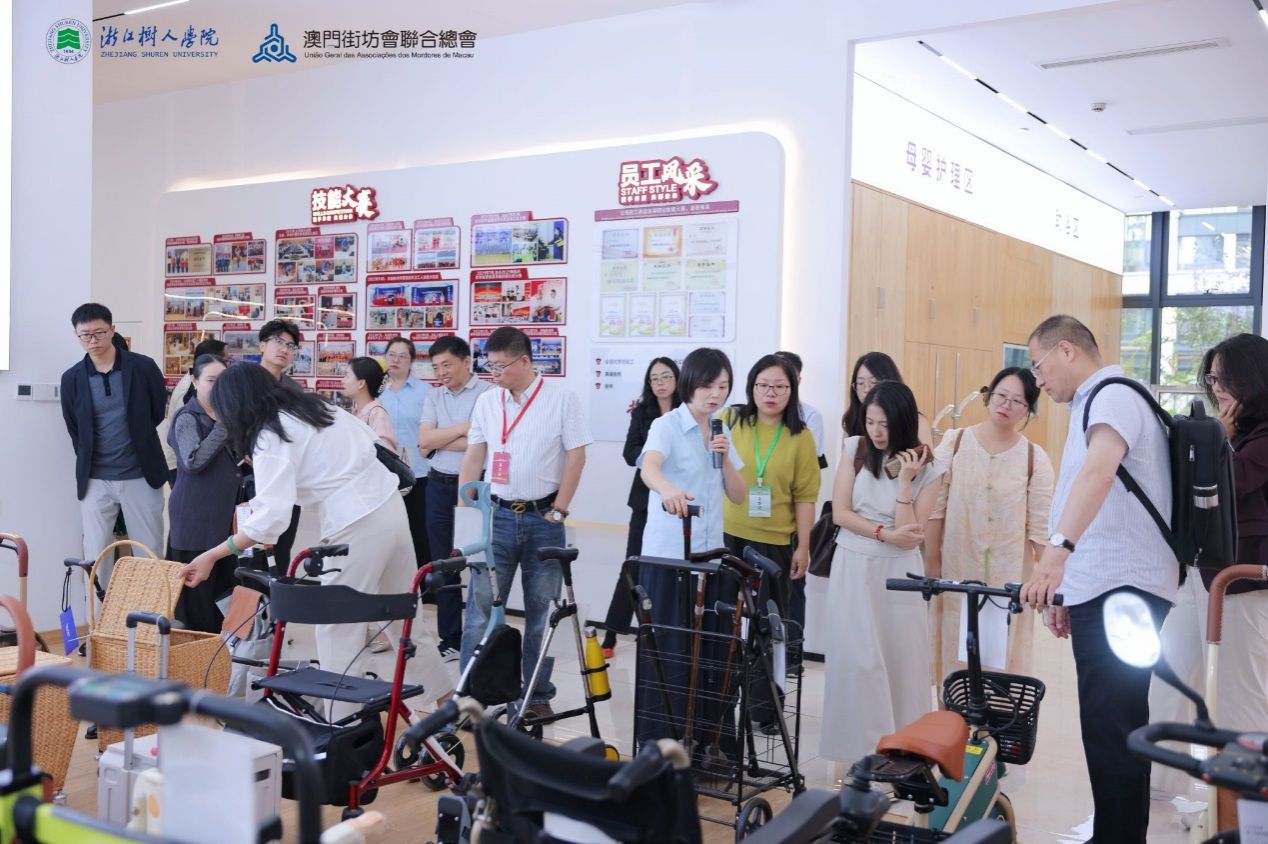
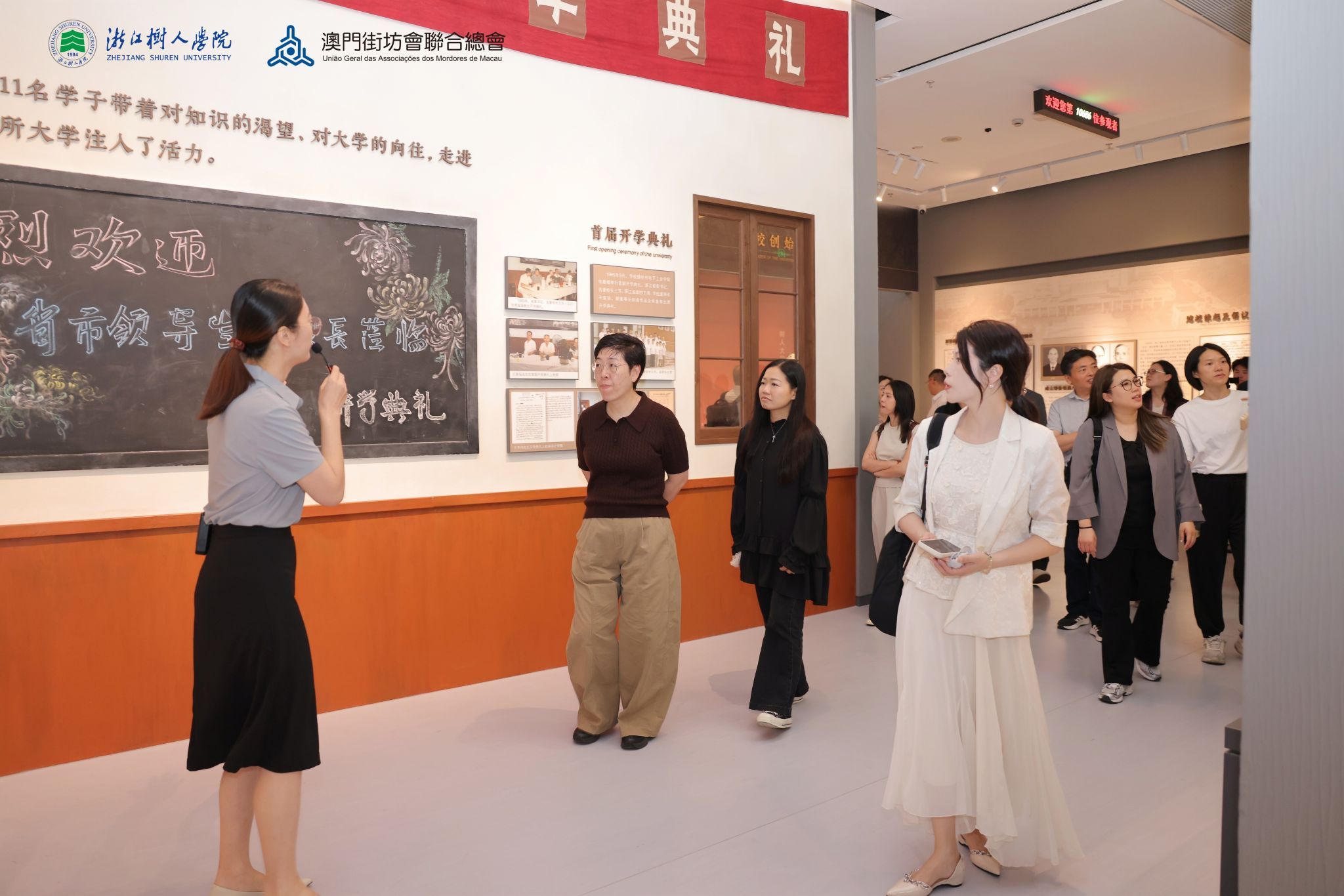
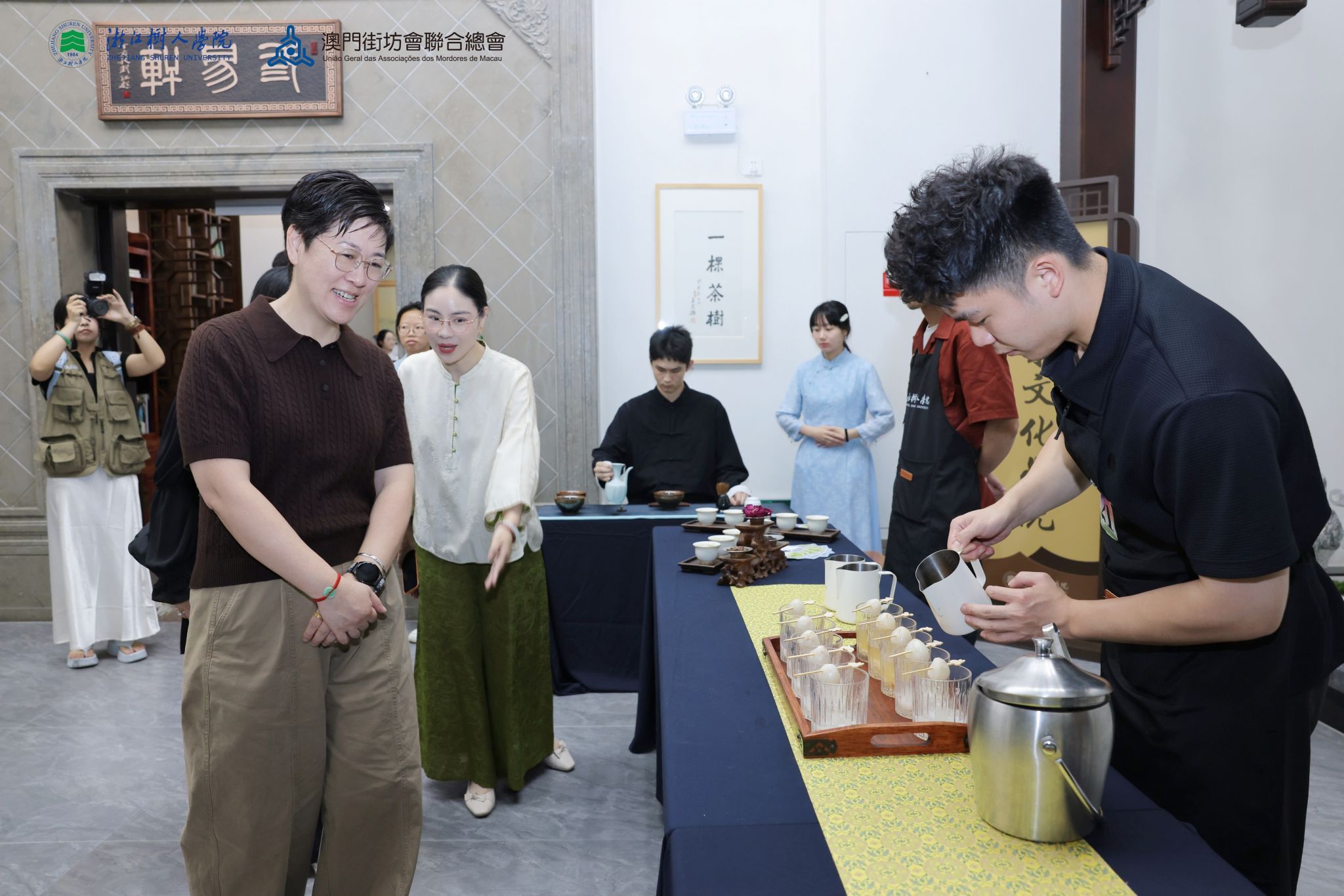
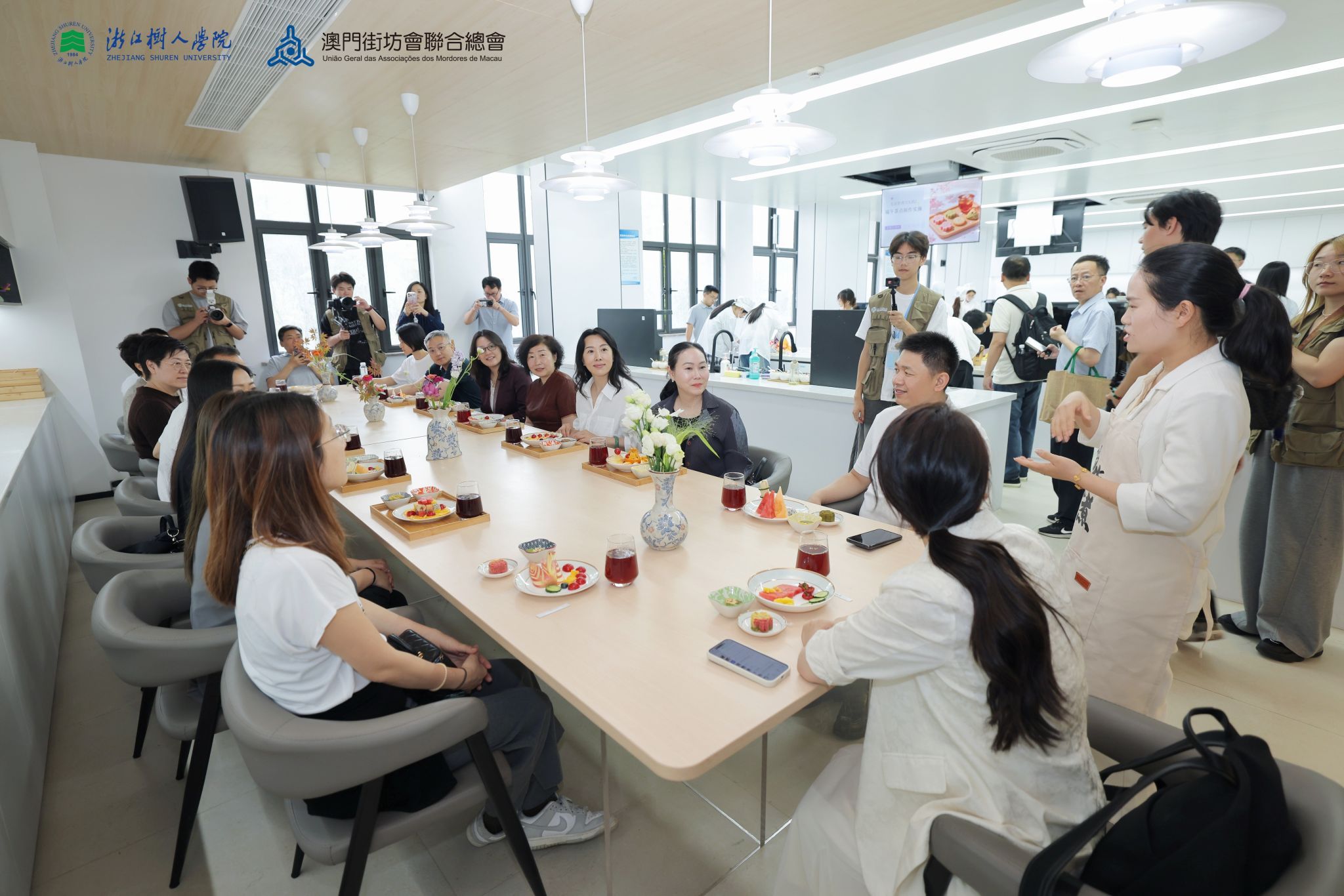
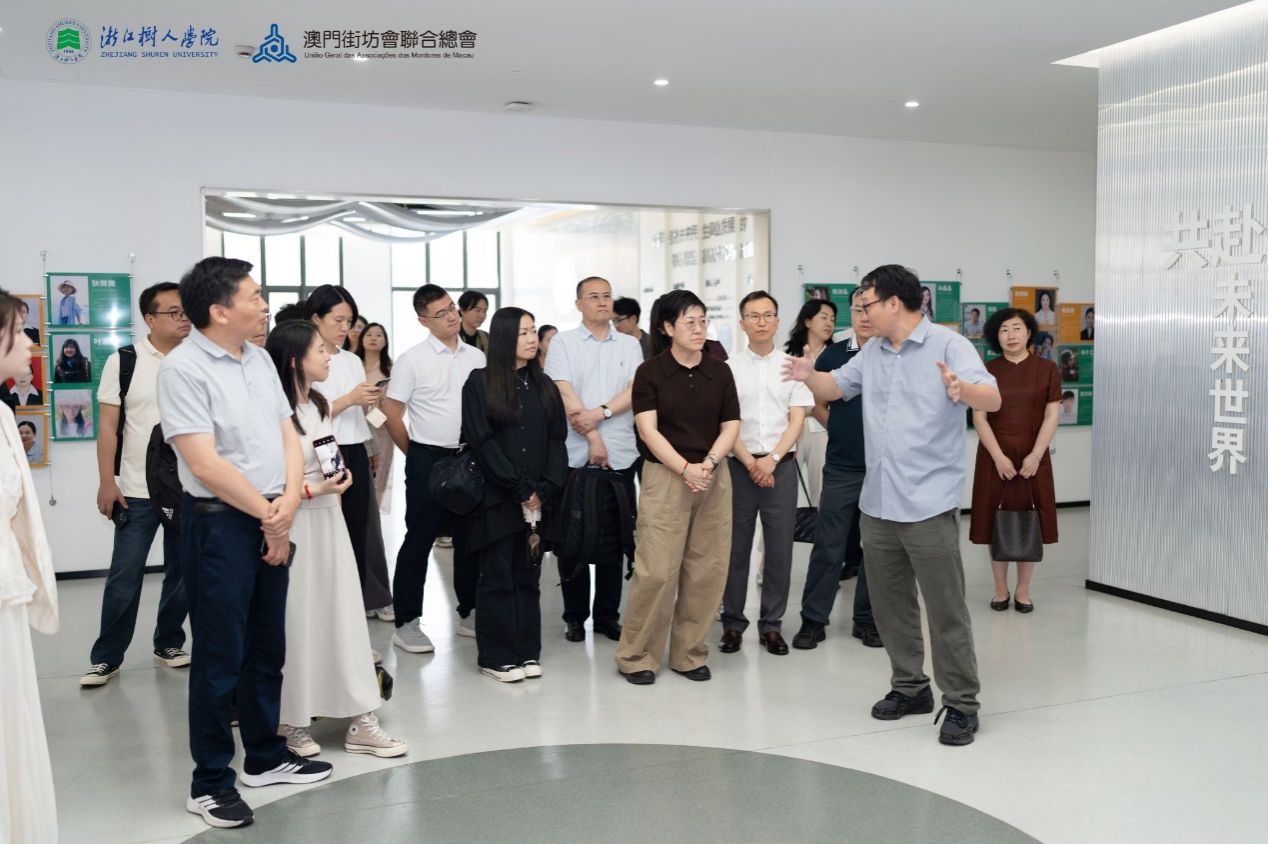
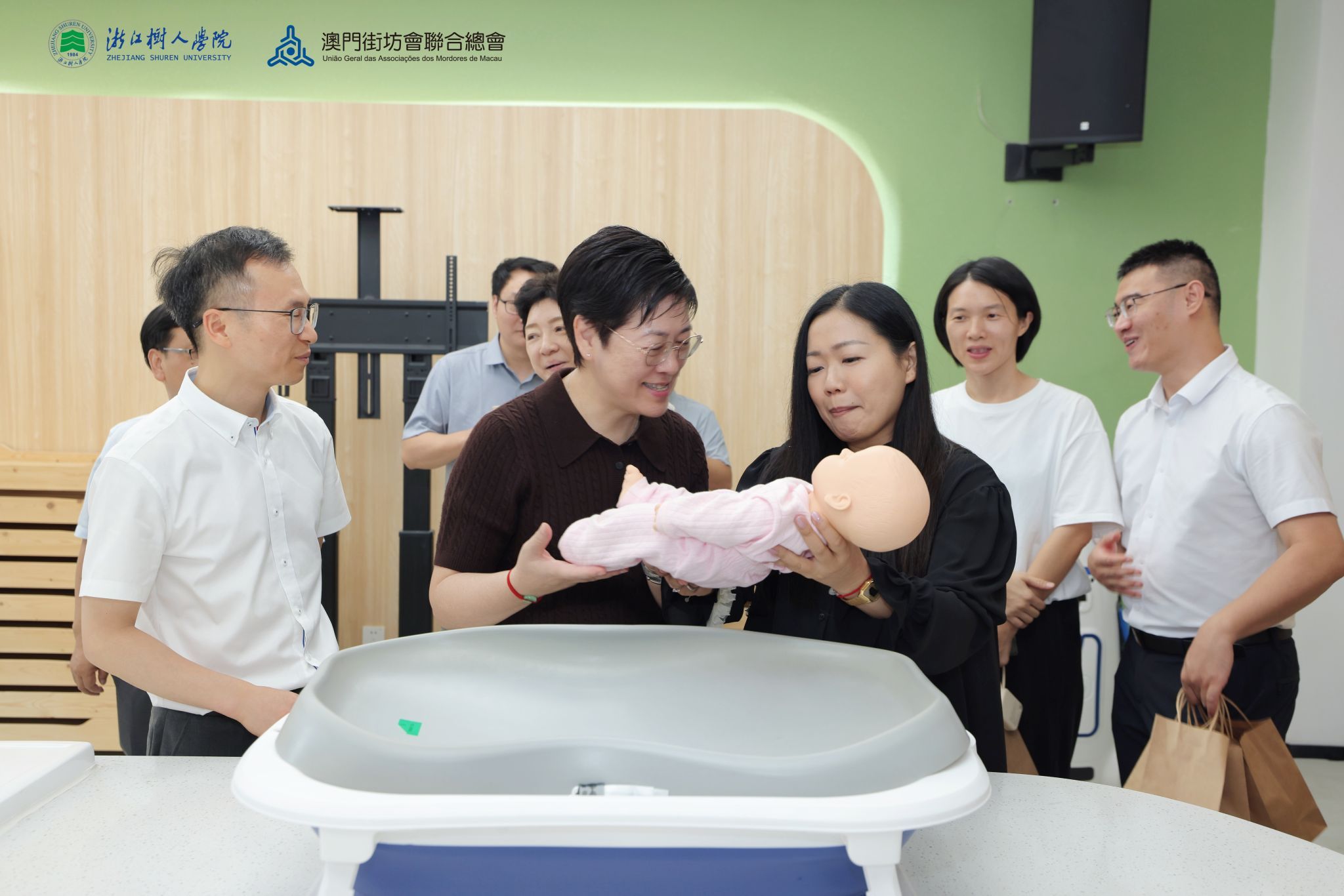
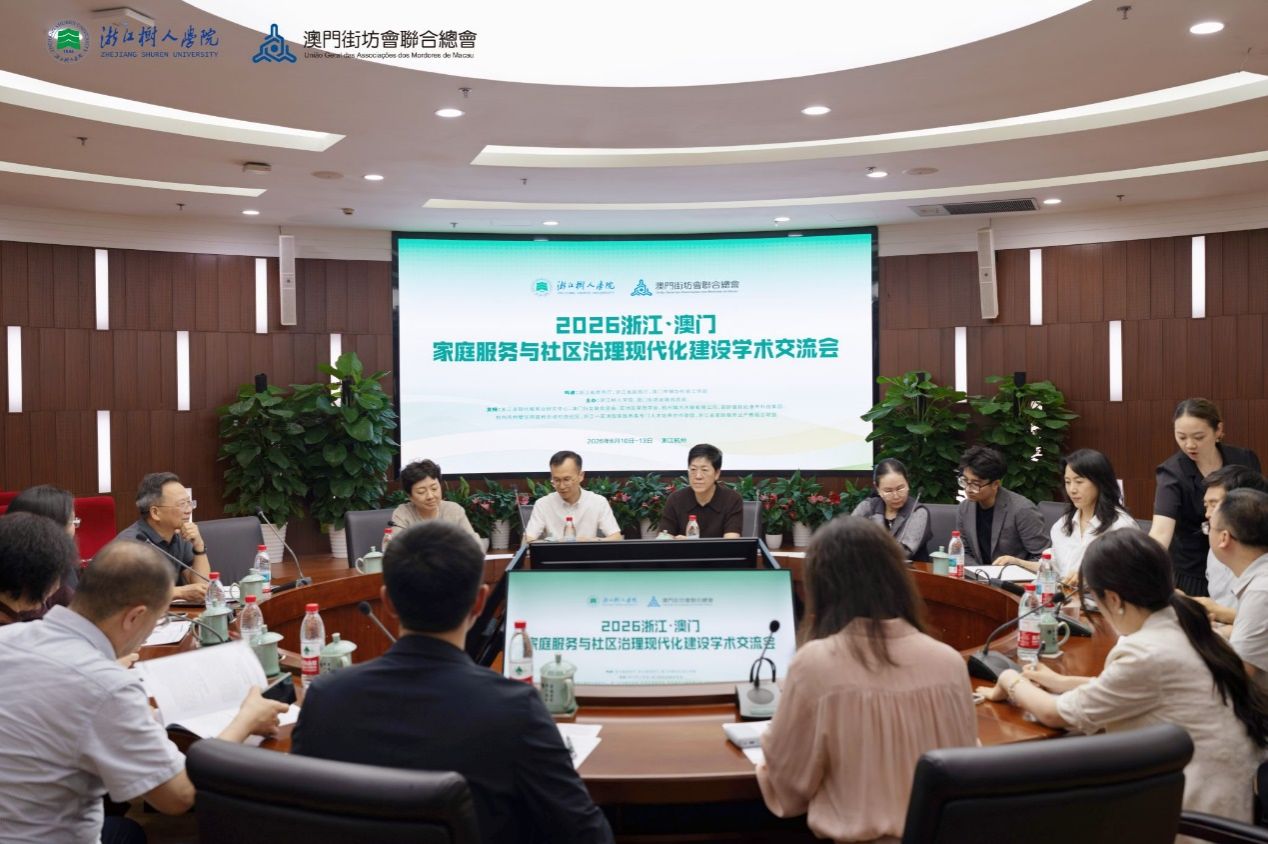
The conference injected new vitality into home services and community governance. All attendees expressed their readiness to take this exchange conference as a new starting point and promote substantive cooperation in fields such as the joint development of home service standards, collaborative training of social workers and shared digital platforms, working together to advance the high-quality development of livelihood services in the new era.